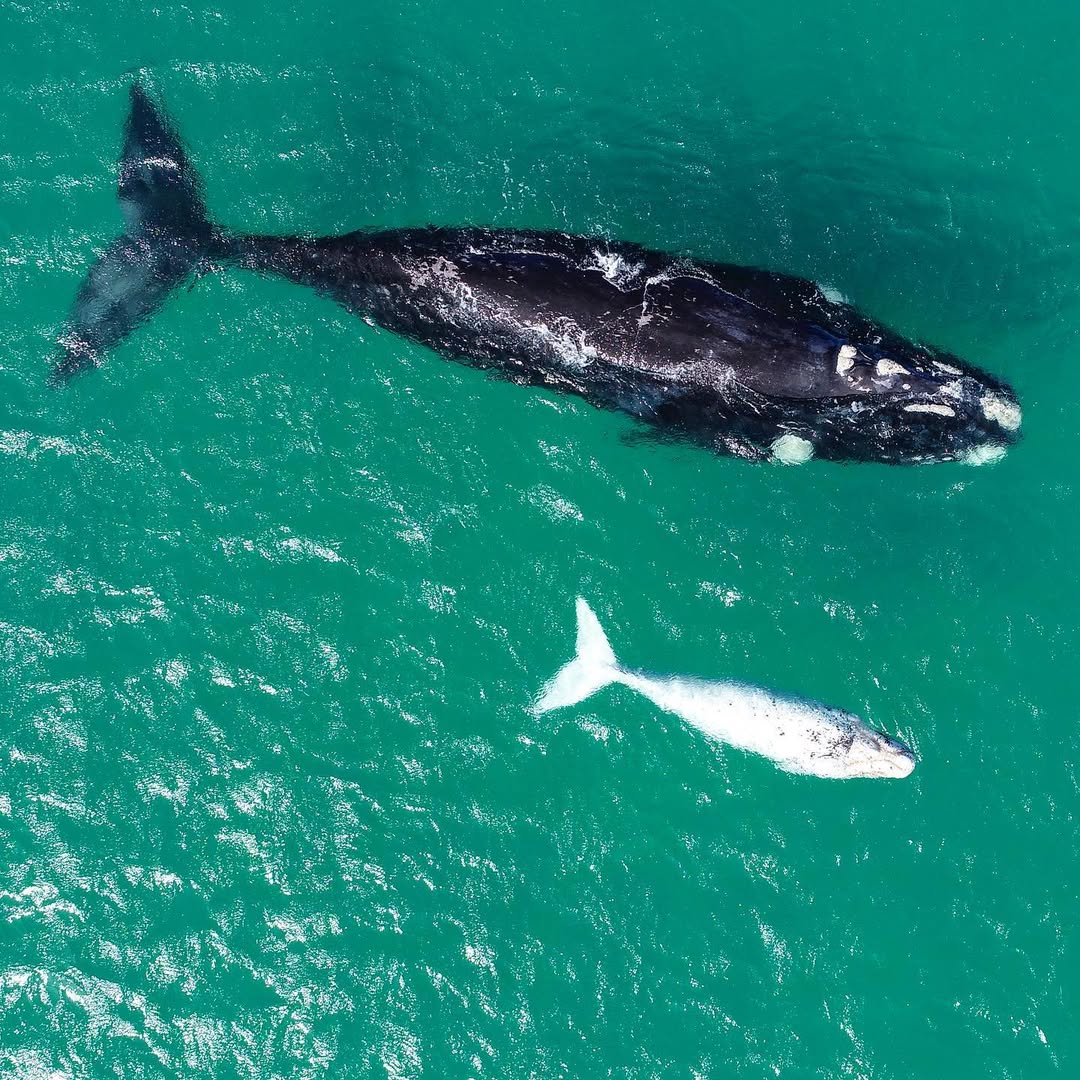
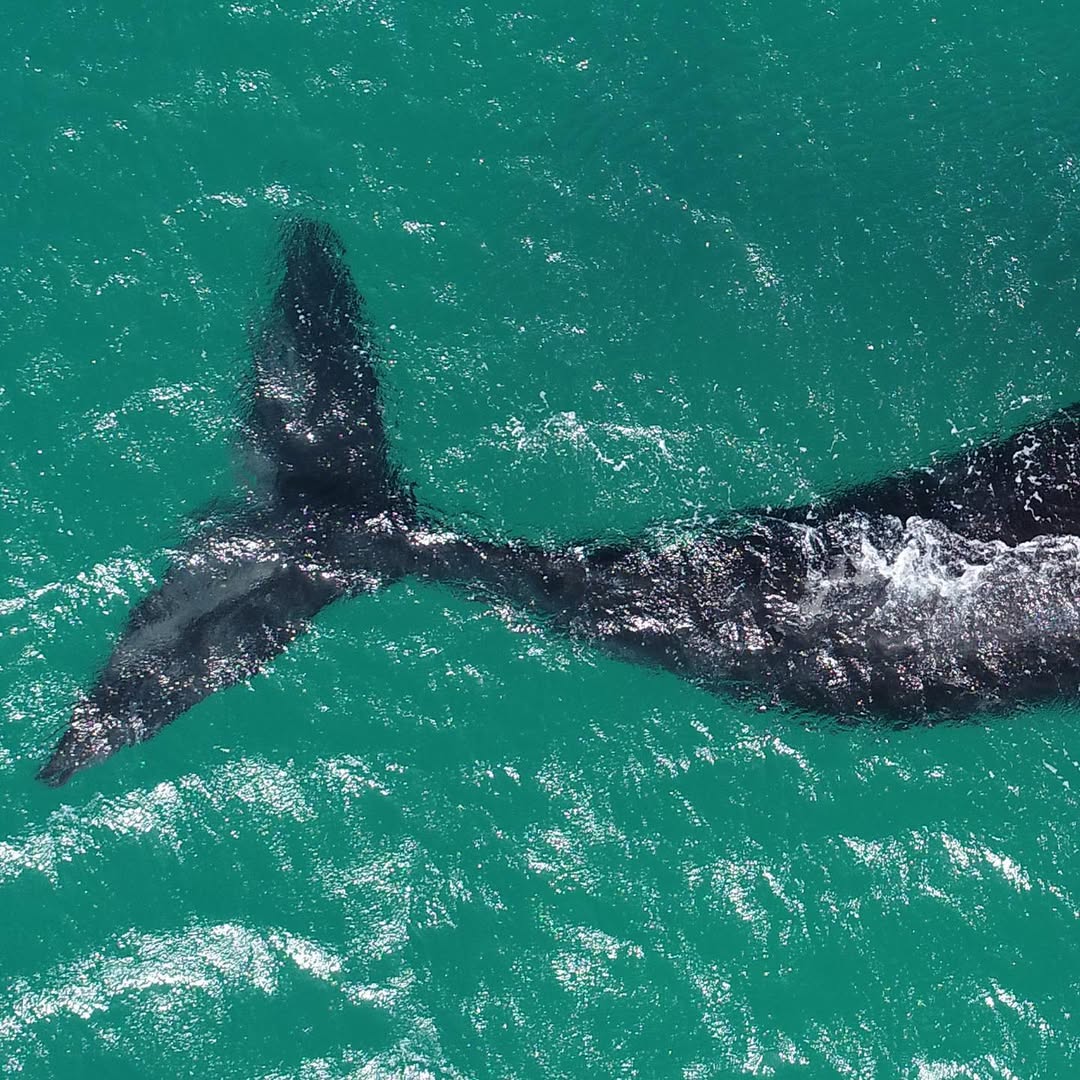
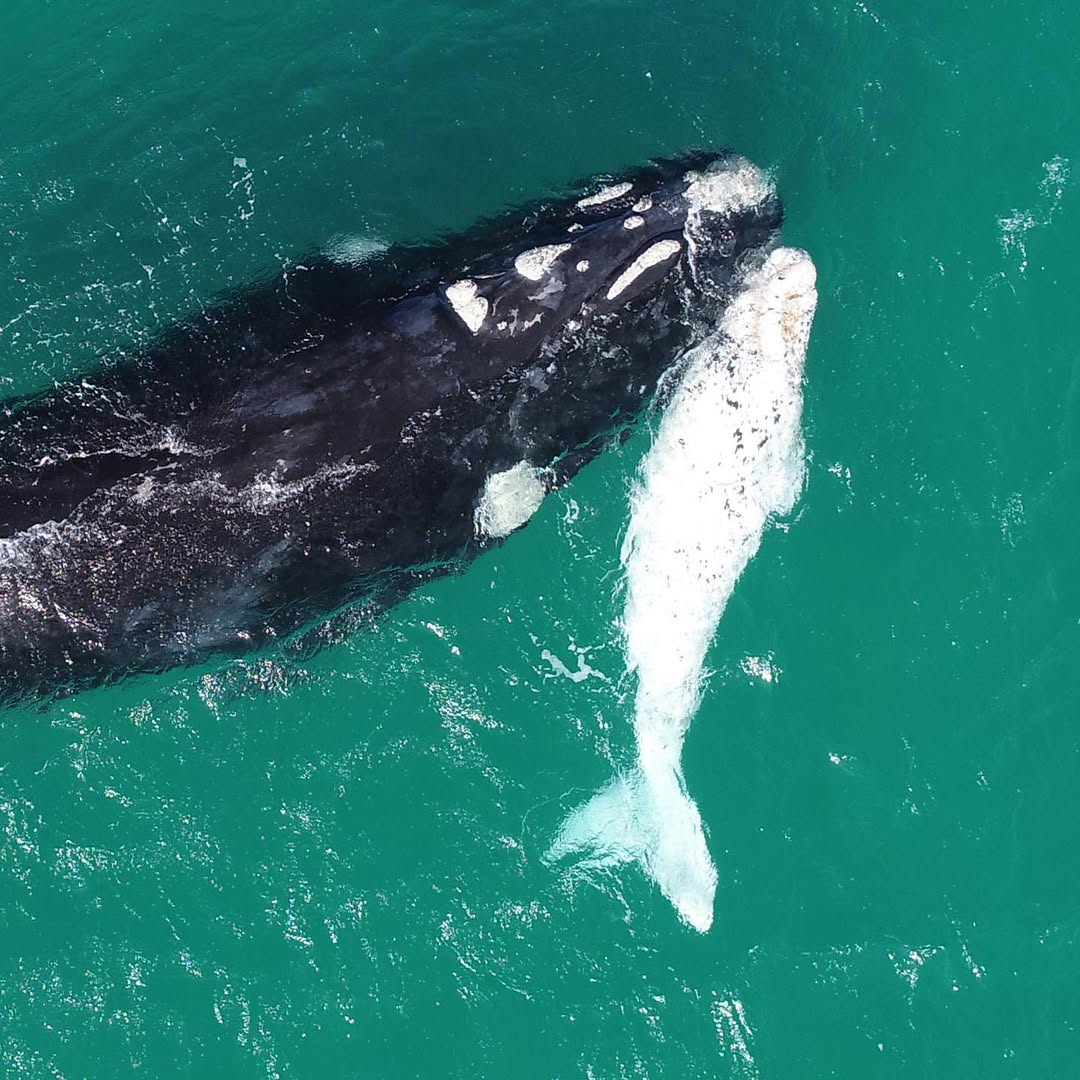
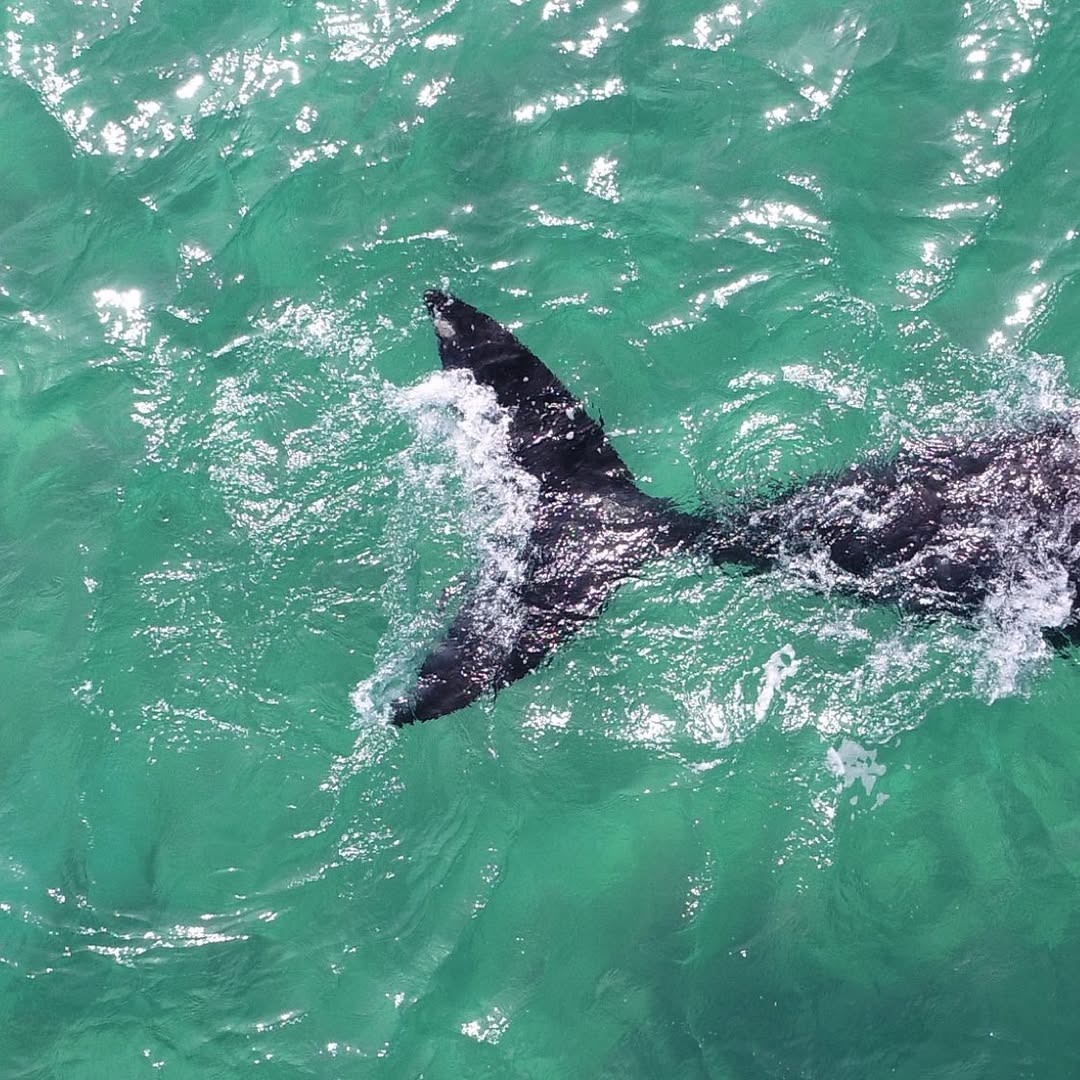
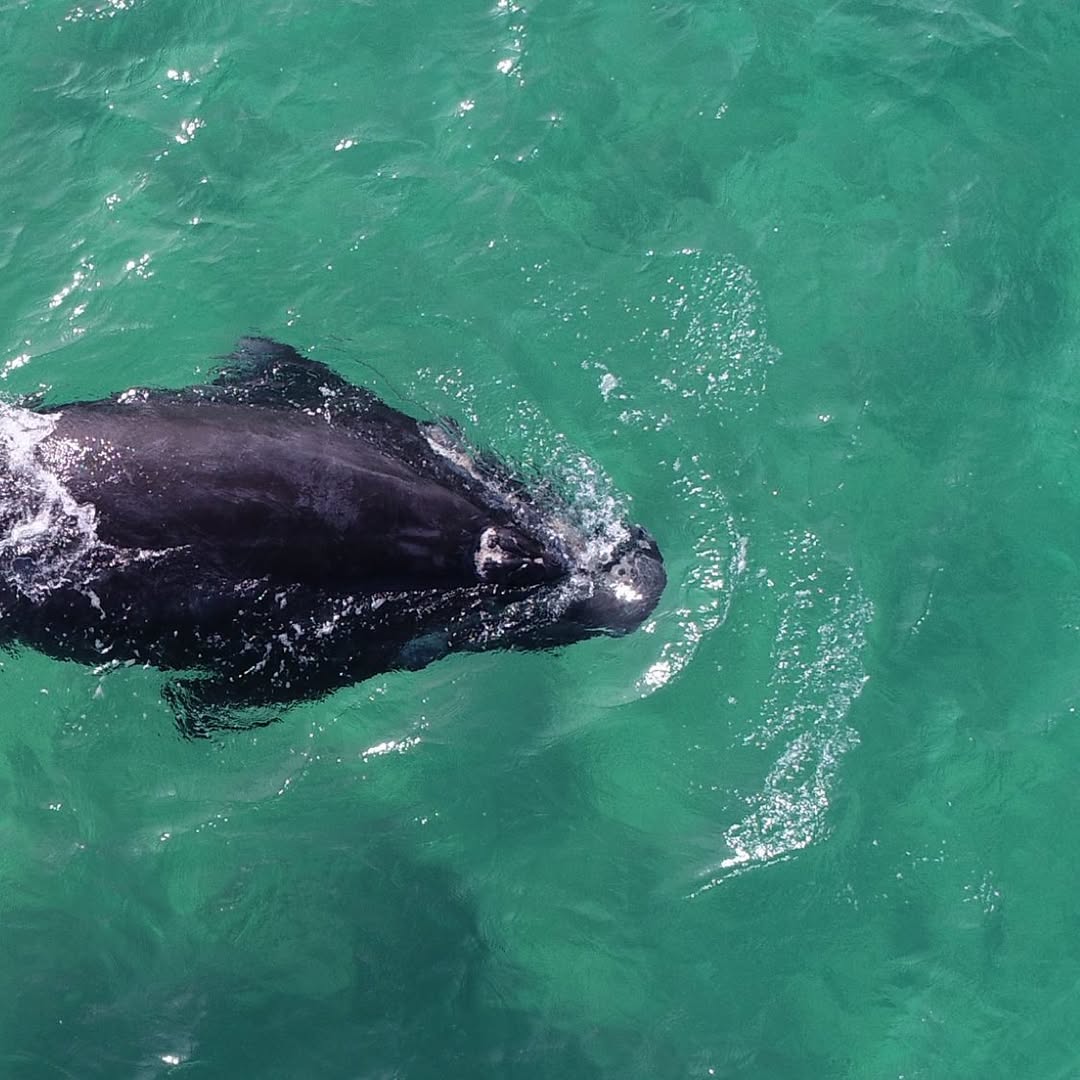
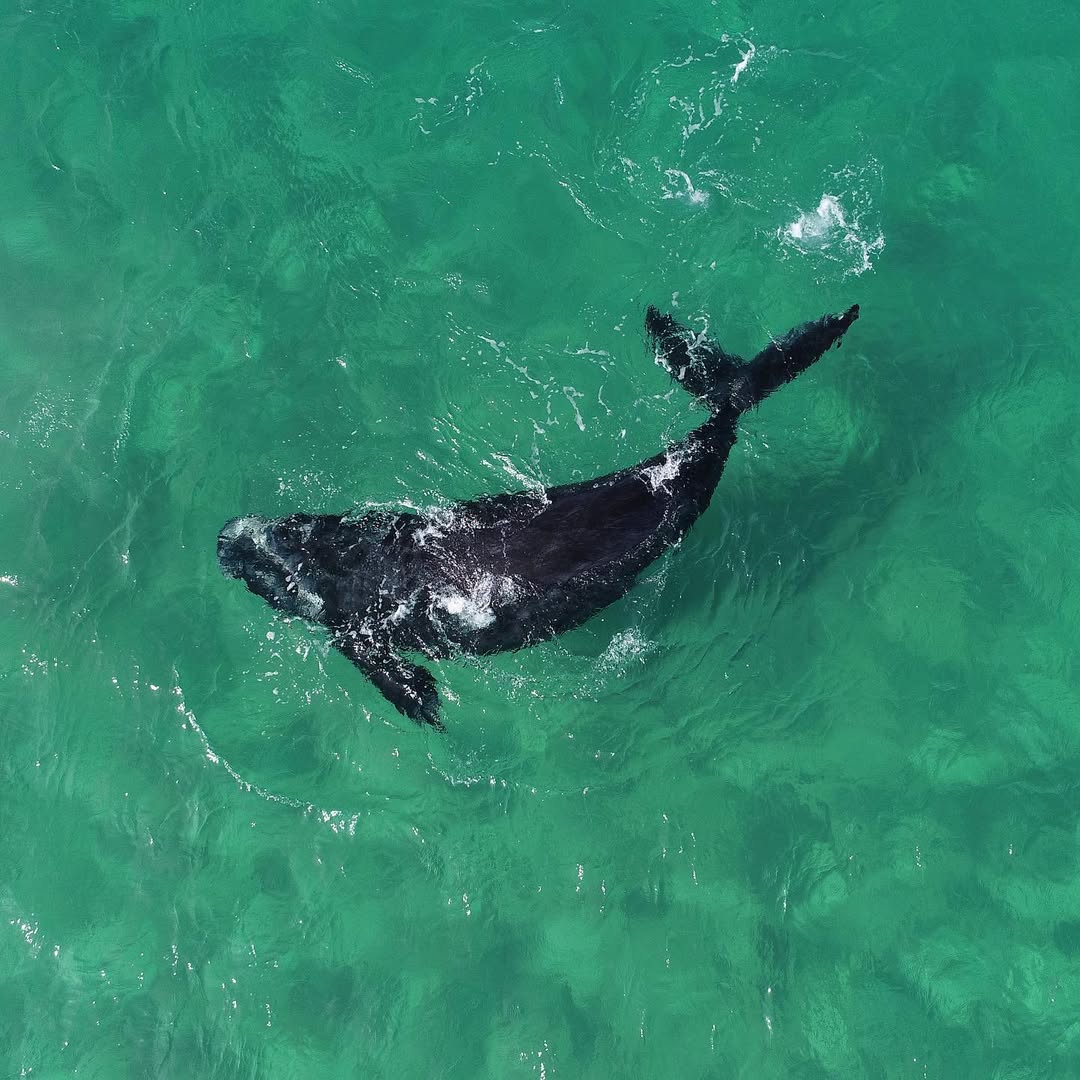
A rare pygmy sperm whale has died off the coast of Honduras after ingesting plastic waste, drawing attention to the ongoing impact of pollution on marine life. The young whale was discovered near the island of Utila in visible distress, repeatedly beaching itself before dying later the same day. The incident has been described by researchers as a stark example of how everyday waste can have far-reaching environmental consequences.
++ Dr Peter Attia steps down from CBS News role
A post-mortem examination revealed that the whale had an 11-inch plastic bag lodged in its stomach, alongside a parasitic infection. Scientists involved in the investigation indicated that these factors likely contributed to a blockage in the animal’s digestive system. The case has been characterised as both rare and tragic, underlining the harmful effects of ocean plastic on vulnerable species.
Pygmy sperm whales are elusive creatures found in warm waters worldwide, yet sightings remain uncommon, particularly in regions such as Honduras. Researchers noted that this was one of the first confirmed records of the species around Utila. The loss is therefore considered significant, highlighting the fragility of small or rarely observed populations and the broader risks posed by pollution to marine ecosystems.
++ Tom Cruise leaves London home after years in the UK
Efforts to address plastic pollution are increasing globally, with measures ranging from restrictions on single-use plastics to policies requiring manufacturers to take responsibility for waste. Environmental groups continue to promote the use of reusable materials and support clean-up initiatives. While such actions aim to reduce the volume of plastic entering oceans, the incident serves as a reminder of the continuing challenges faced by marine wildlife.


