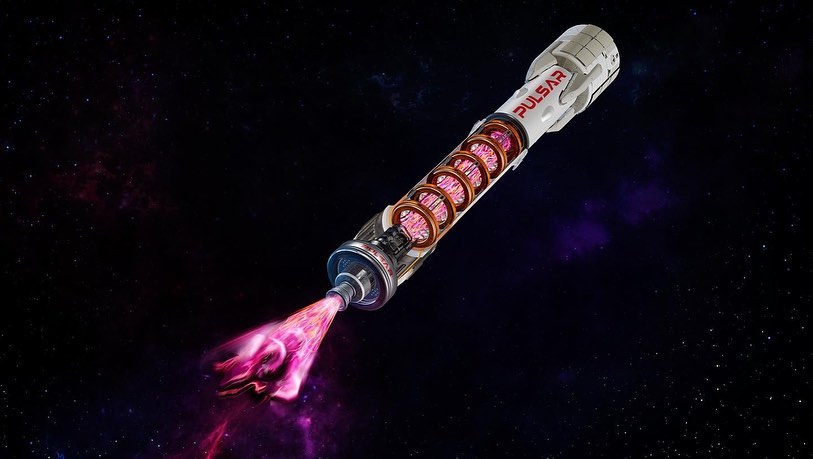
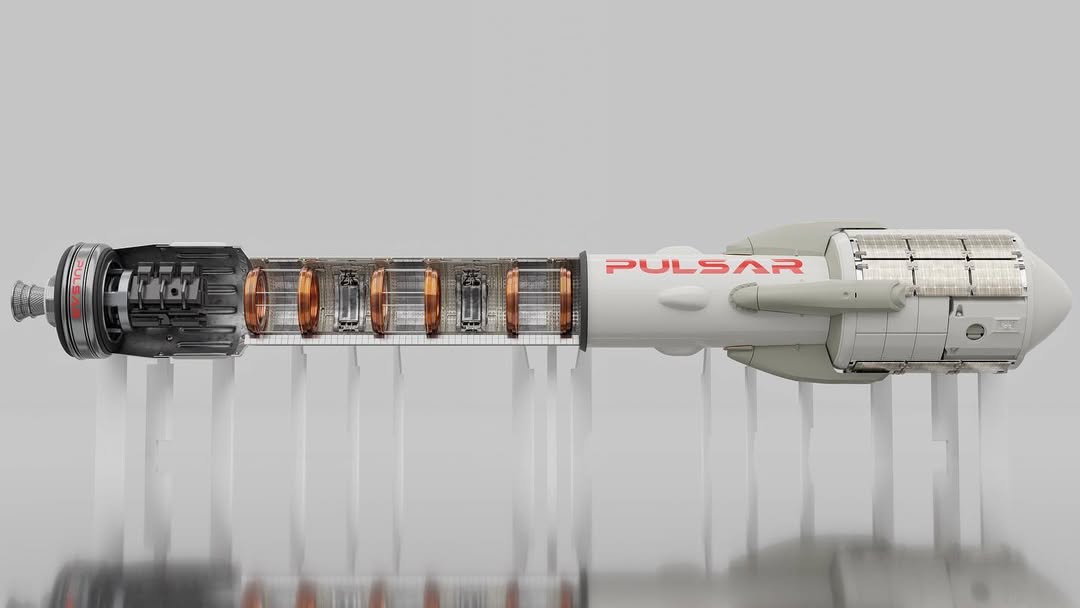
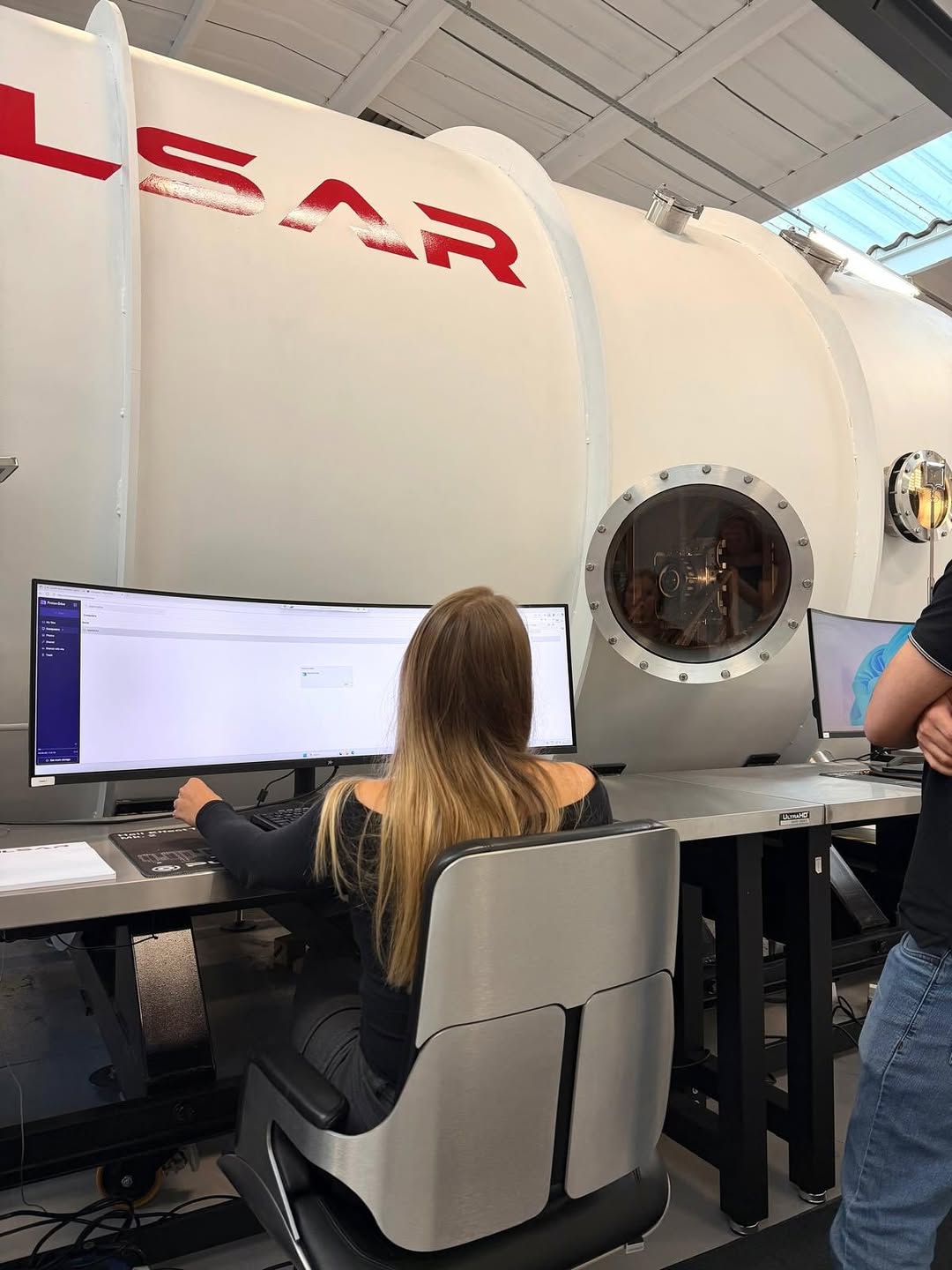
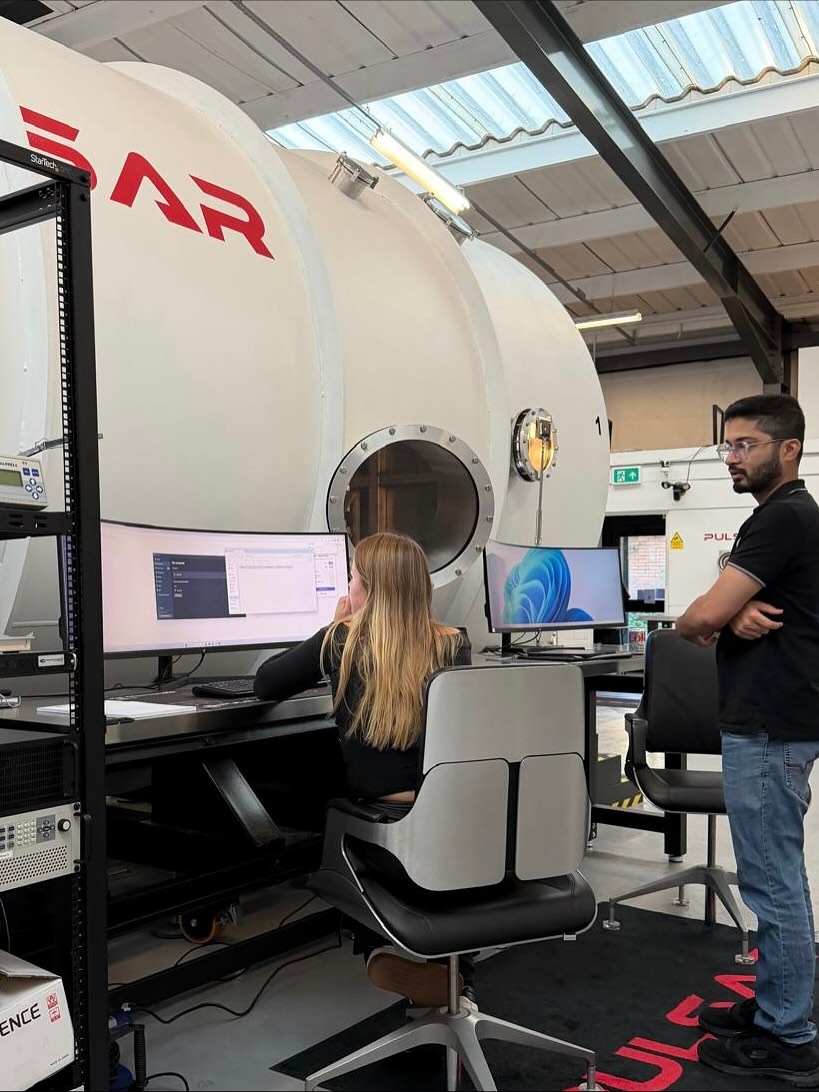
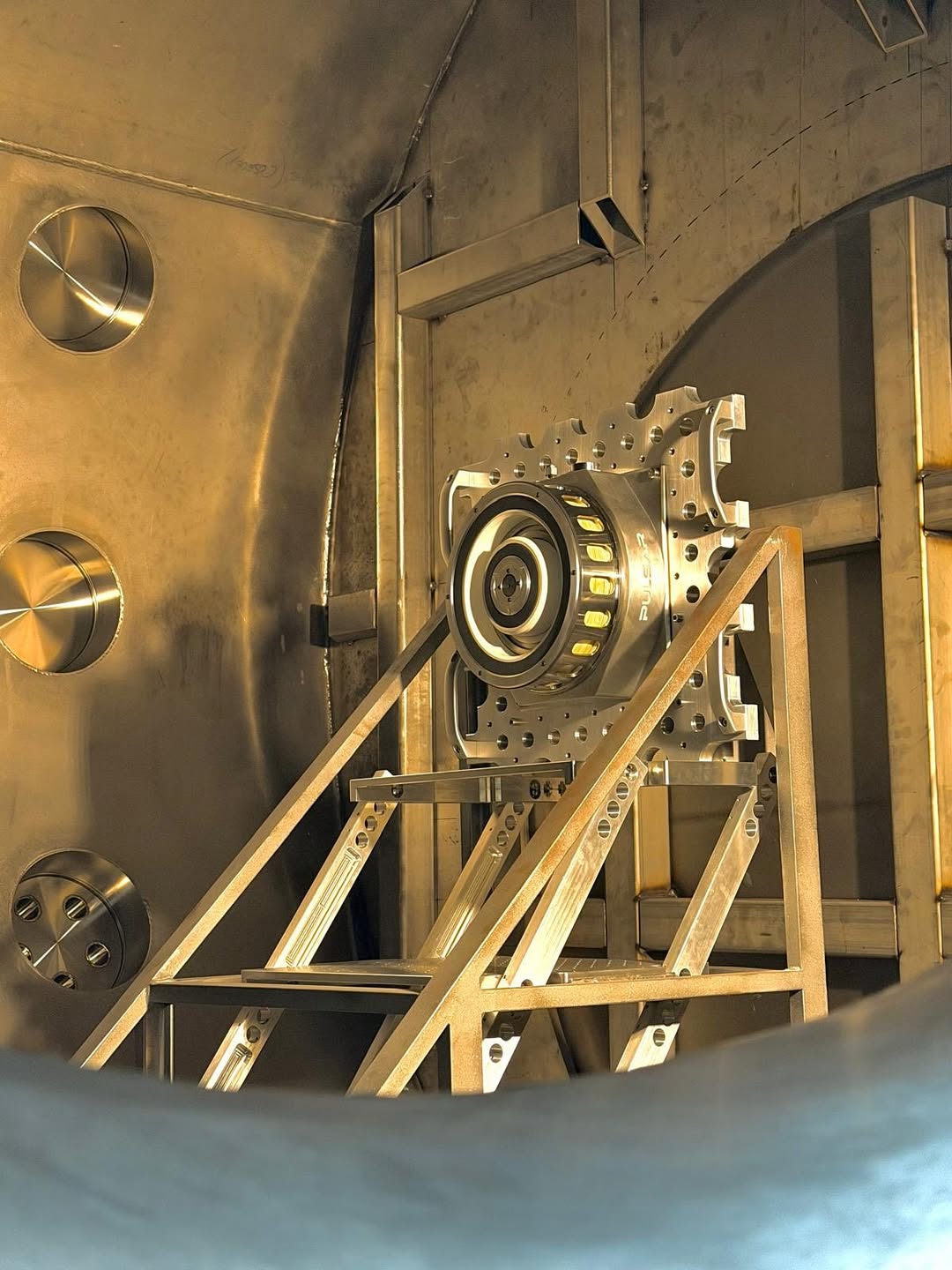
A team of British scientists has announced a significant development in nuclear fusion propulsion, achieving plasma ignition within a prototype rocket system. The breakthrough was demonstrated by Pulsar Fusion during a live presentation at a technology conference in California, marking a notable step forward in experimental space travel technology.
++ Meet the spiny starfish that can grow as wide as 70cm
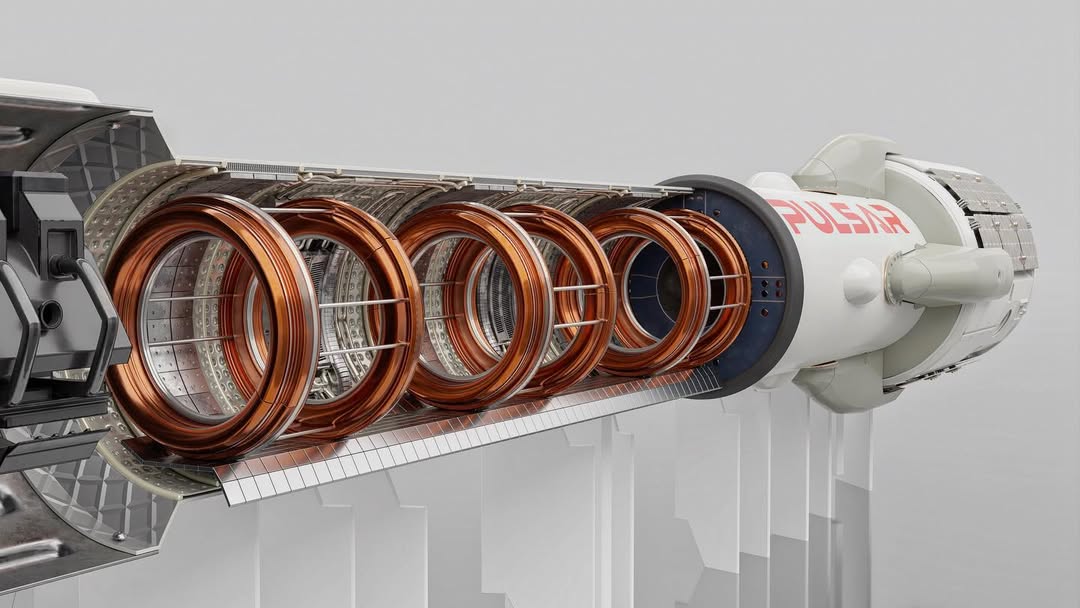
The ignition was produced using a combination of electric and magnetic fields to control charged particles within the system. This process is central to nuclear fusion, which aims to replicate the energy-generating reactions found in the Sun. Researchers have long sought to harness this reaction as a powerful and potentially sustainable energy source.
Fusion propulsion could offer substantial advantages over conventional rocket technology, including significantly higher speeds and reduced travel times for space missions. Shorter journeys may also lessen the exposure of astronauts to radiation and the effects of prolonged weightlessness. However, the technology remains in its early stages, and further testing is required to assess its viability.
++ Princess Beatrice and Edoardo Mapelli Mozzi face period of distance
Pulsar Fusion has indicated that additional experiments and system upgrades are planned to improve efficiency and performance. The development forms part of broader efforts to advance space exploration technologies, as interest grows in both scientific and commercial opportunities beyond Earth.


