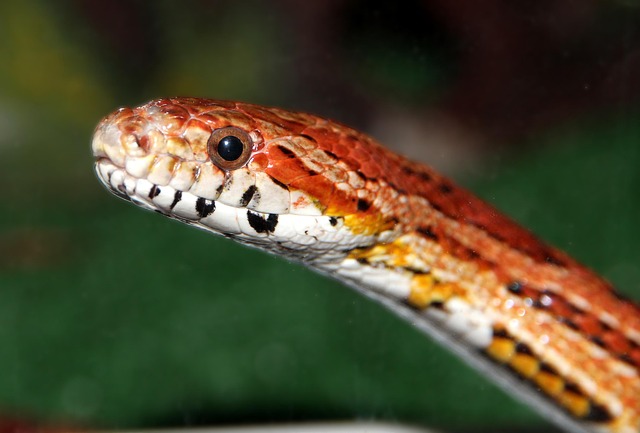
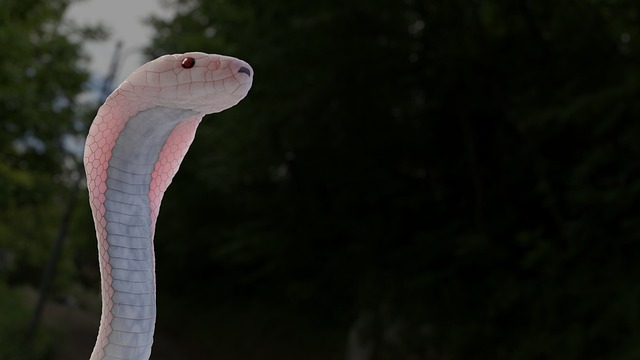
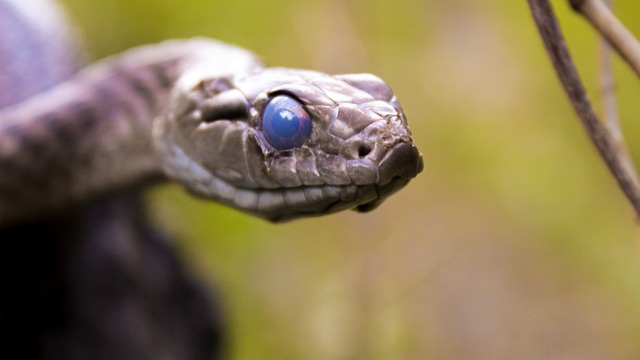
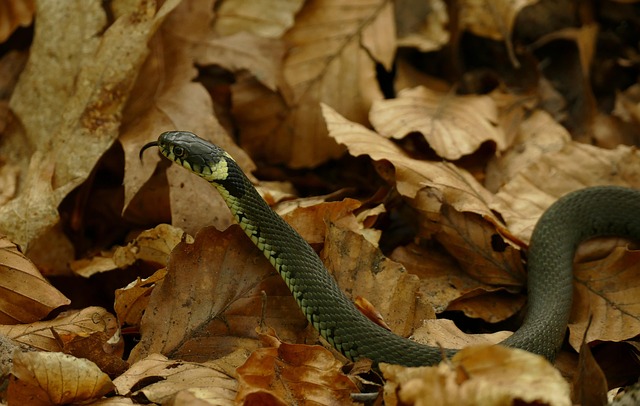
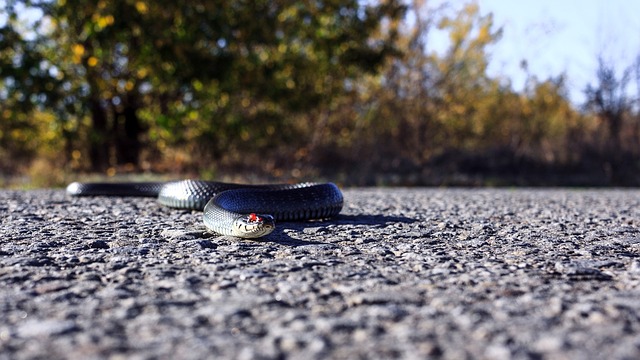
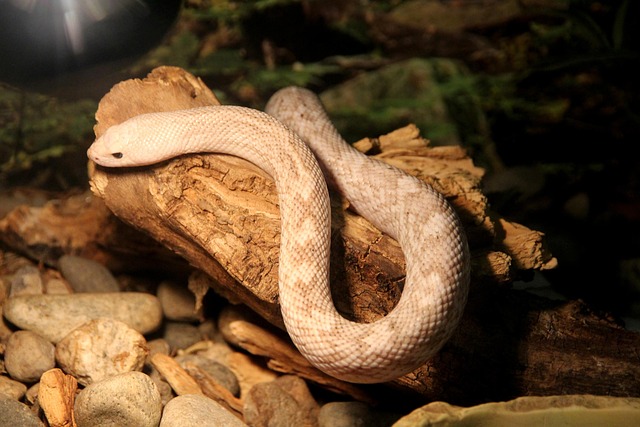
A tree-climbing snake may appear to defy gravity as it lifts its body upright without limbs, but scientists now believe the trick lies in how it carefully controls its movement. Researchers have found that, rather than stiffening their entire bodies, snakes concentrate muscular effort and bending energy in a small region near their base. The findings, published in the Journal of the Royal Society Interface, suggest this targeted approach allows them to rise vertically while conserving energy.
++ Cornwall station to support NASA’s Artemis II moon mission
The study sheds light on how these animals manage to remain stable despite lacking arms or legs. As bioengineer David Hu of Georgia Institute of Technology observes, snakes behave much like “muscular ropes”, capable of remarkable feats of balance and flexibility.
Building on earlier work by zoologist Bruce Jayne of the University of Cincinnati, the research team examined how snakes lift themselves without collapsing under their own weight. Laboratory observations of several species, including brown tree snakes and a scrub python, revealed a consistent pattern.
++ Women head to Turkey for drastic leg-shortening surgery
When bridging vertical gaps, the snakes formed an S-shaped curve, with the most pronounced bend close to their point of support. Above this section, their bodies remained almost perfectly upright, reducing the effect of gravity and helping them maintain balance.
To better understand the mechanics, scientists modelled the snake as an “active elastic filament”—a flexible structure capable of sensing its own shape and adjusting accordingly. Two possible strategies were tested: one relying on local muscle responses, and another involving coordinated activity across the body.
While both approaches produced the characteristic S-shape, the coordinated strategy required less force and energy. This suggests that real snakes are likely to rely on whole-body coordination to achieve efficient vertical movement.
However, the research also indicates that remaining upright is more demanding than rising into position. Video footage showed taller snakes swaying slightly, implying continuous muscular effort to maintain stability.
The findings could have practical applications beyond biology. According to study co-author Ludwig Hoffmann of Harvard University, the principles observed in snakes may inform the design of flexible, energy-efficient robots. Such snake-like machines could prove valuable in challenging environments, including space missions, underwater exploration and disaster response—where manoeuvrability and efficiency are essential.


