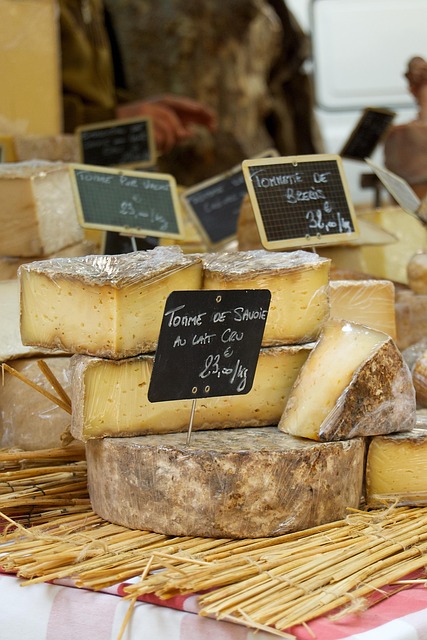
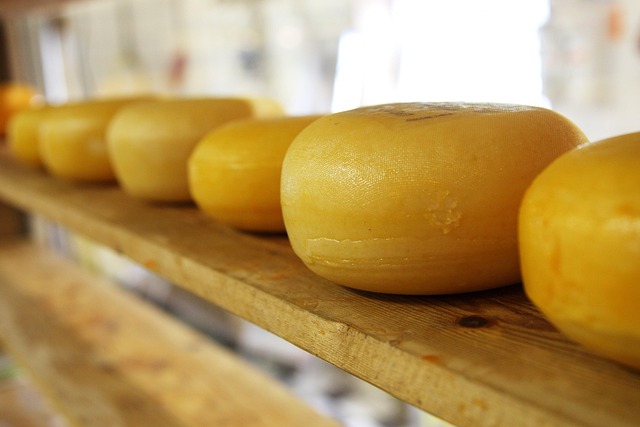

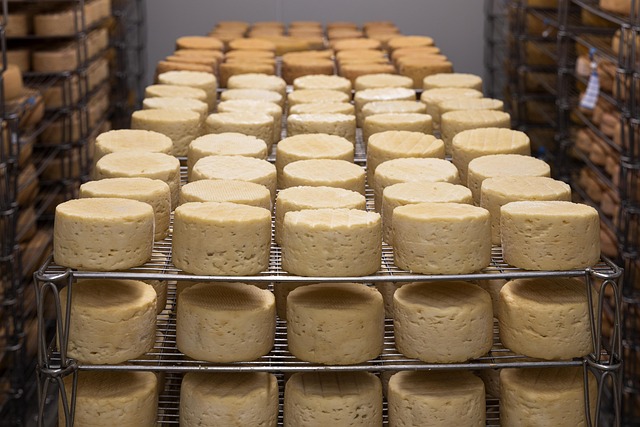
Climate change is beginning to influence not only farming practices but also the flavour and nutritional quality of cheese, according to new research focusing on Cantal cheese, a traditional variety produced in central France.
++ Fish in British waters turning to smaller prey amid warming seas and overfishing
The study, published in the Journal of Dairy Science, found that changes in cattle feed — driven by increasingly frequent droughts — can significantly affect the composition, taste and texture of dairy products. In the Auvergne region, cows have historically grazed on natural grasslands. However, as dry conditions intensify, some farmers are turning to alternative feed such as maize, which is more resilient and offers higher yields under challenging weather conditions.
Researchers led by Matthieu Bouchon, from France’s National Research Institute for Agriculture, Food and Environment, conducted a five-month experiment involving 40 dairy cows from two breeds. By simulating drought conditions, they introduced varying levels of maize into the animals’ diets and monitored the effects on milk quality.
Analysis revealed that while a maize-based diet did not reduce milk production — and may even lower methane emissions — it had noticeable consequences for cheese. Milk from grass-fed cows produced richer, more flavourful cheese, with higher levels of beneficial omega-3 fatty acids and probiotic bacteria.
++ Wave of school violence raises concerns over youth militarisation in Russia
By contrast, diets dominated by maize resulted in cheese with less complexity in taste and potentially reduced nutritional value. The researchers suggest that even when alternative feed is necessary, maintaining some fresh vegetation in cattle diets is key to preserving quality.
Experts not involved in the study highlight that climate change also affects the animals themselves. Heat stress can reduce appetite, as cows eat less to regulate body temperature, while diverting energy towards coping with physiological strain — factors that ultimately impact milk composition.
In countries such as Brazil, where dairy producers are already accustomed to high temperatures, farmers are adapting by modifying both feeding strategies and livestock management. Some are moving cattle indoors to shield them from extreme heat, while others are experimenting with carefully balanced feed mixtures to maintain milk quality.
Nevertheless, dietary adjustments present their own challenges. High starch content, often associated with maize-based feed, can be difficult for cows to digest and may disrupt the functioning of the rumen — the primary chamber responsible for breaking down food. Producers are therefore exploring alternative blends, incorporating fibre-rich materials such as hay and cottonseed alongside controlled levels of starch and fat.
While solutions may vary by region, researchers agree on the broader implication: as global temperatures continue to rise, the effects will increasingly be felt across the food chain. As Mr Bouchon notes, if current climate trends persist, their impact will not only reshape agricultural systems — but also alter the very character of foods long tied to regional identity.


