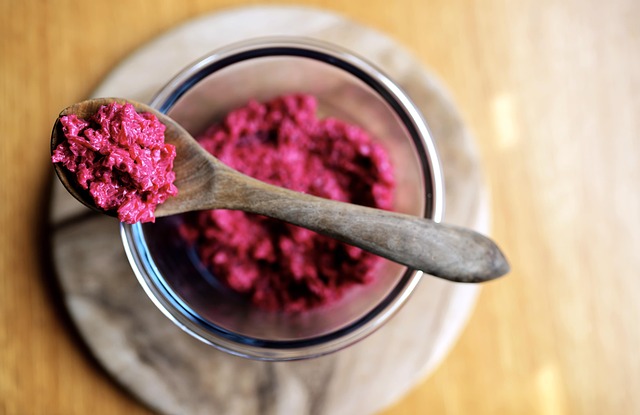
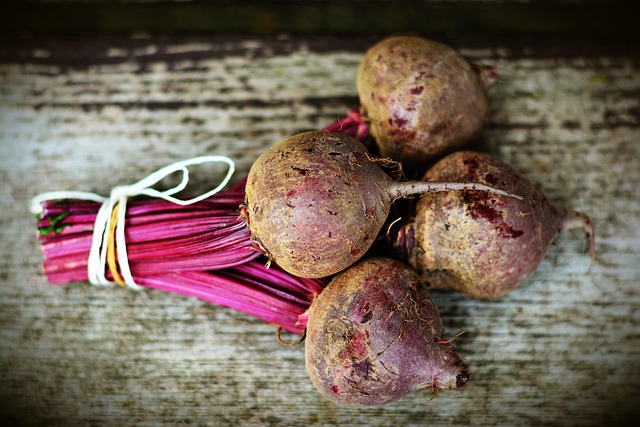
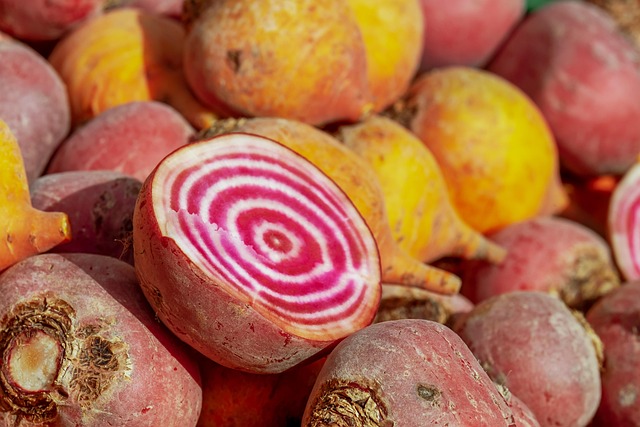
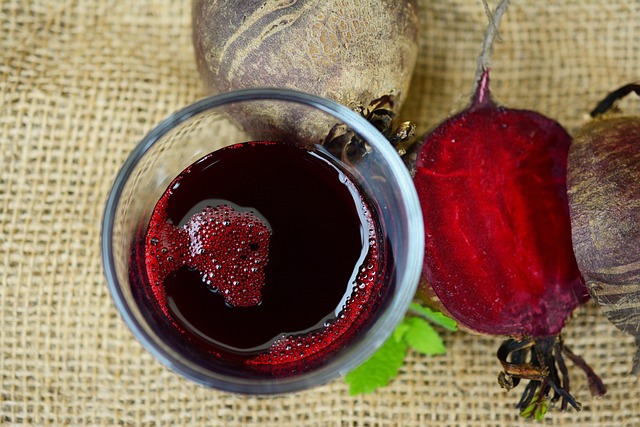
Beetroot is one of those foods that rarely inspires indifference. People tend either to enjoy its earthy taste and vivid colour or avoid it entirely, often because of memories of limp slices served in salads. Even so, it remains a familiar fixture in supermarkets, sold raw, cooked or pickled, and continues to feature in many households because it is affordable, versatile and keeps well. Part of its appeal lies in its practicality. Beetroot generally lasts longer than many other vegetables and can be eaten in several ways, whether grated raw into a salad, roasted, blended into soups or smoothies, or pickled as a side. Its low cost also makes it an easy ingredient to add to everyday meals without stretching the budget.
++ Study suggests raccoons solve puzzles out of curiosity
Nutritionally, beetroot offers more than its striking appearance suggests. It is low in calories and provides fibre, folate, potassium and vitamin C, nutrients that contribute to digestion, energy metabolism and the normal functioning of the immune system.
Its rich purple-red colour comes from compounds known as betalains, which have antioxidant properties. These substances have been studied for their potential role in helping protect the body’s cells from oxidative stress, a process linked to everyday cellular damage over time. Beetroot may also support digestive health. Its fibre helps promote regular bowel movements, while its water content can help soften stools and support normal digestion.
++ The only place on Earth where crocodiles and alligators live side by side
Another reason beetroot has attracted attention is its natural nitrate content. Once eaten, these nitrates can be converted by the body into compounds that help blood vessels relax and widen, improving blood flow. Research has suggested that vegetables rich in nitrates may help support healthy blood pressure and cardiovascular health as part of a balanced diet.
There is also some evidence that beetroot may offer modest benefits during exercise, as it may help muscles use oxygen more efficiently. However, the effects appear to vary from person to person and should not be overstated. In practical terms, beetroot is simple to use. It can be added to salads, roasted alongside other vegetables, stirred into grain bowls, blended into dips, or used in soups. Its sweetness also works well with ingredients such as goat’s cheese, lentils and citrus.
Although beetroot is safe for most people, some may need to be cautious. Those with a history of kidney stones, low blood pressure, or digestive conditions such as irritable bowel syndrome may be advised to limit their intake. It can also turn urine or stools pink or red, a harmless effect known as beeturia. While it can come as a surprise, it is not usually a sign of anything serious.


