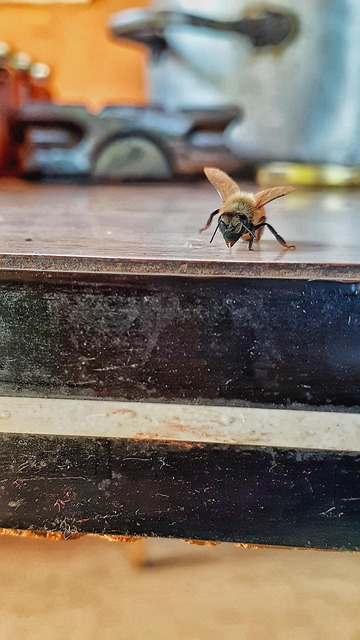
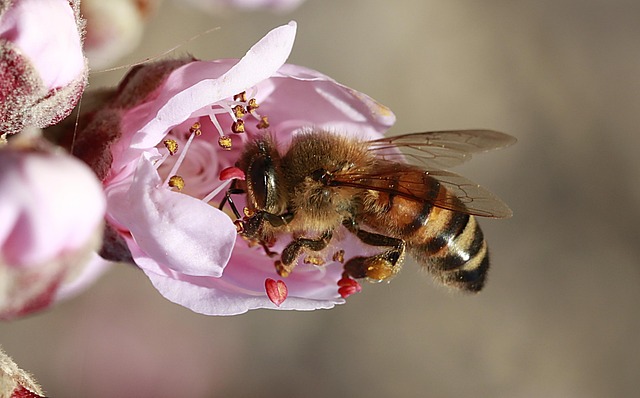
In a quiet wildflower meadow, an unremarkable hive hums with life as spring awakens a new generation of honeybees. From within its wax chambers emerges the first bee of the season—an industrious worker destined for a short but vital life. Her journey forms the backbone of Secrets of the Bees, the latest instalment in the acclaimed documentary strand produced by James Cameron. Narrated by wildlife filmmaker Bertie Gregory, the two-part series sets out to uncover what it describes as the “hidden world behind the buzz”.
++ Cornwall station to support NASA’s Artemis II moon mission
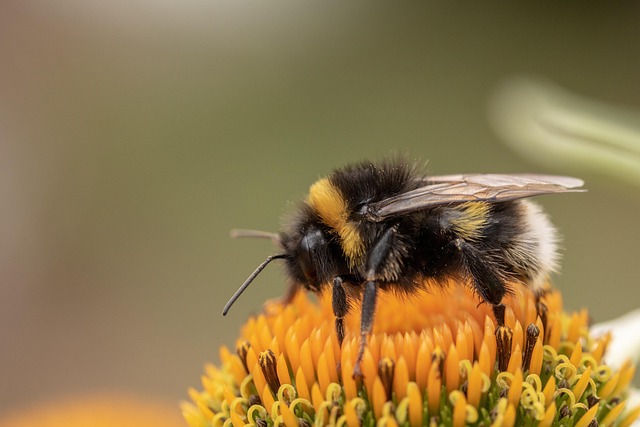
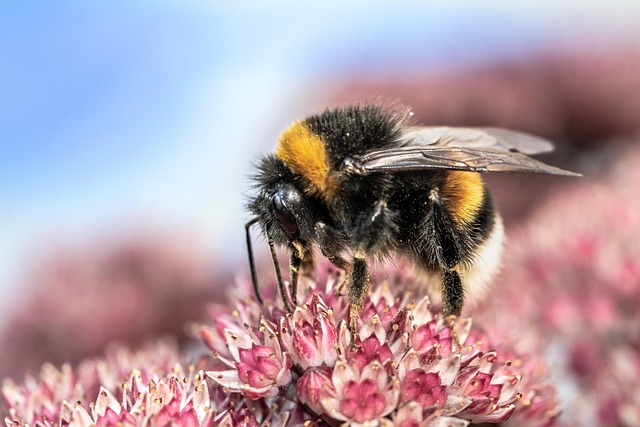
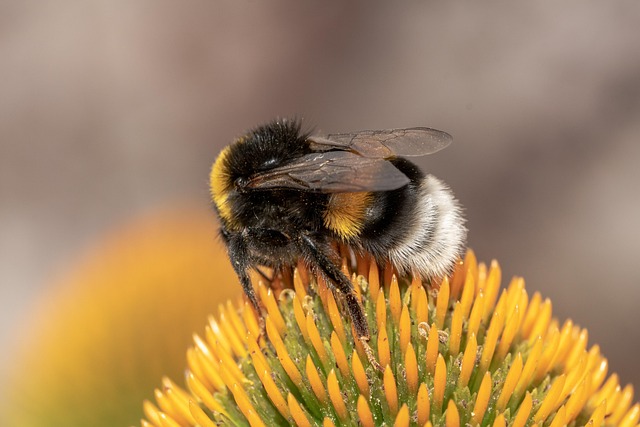
While the story centres on a single hive, the programme broadens its scope to explore the extraordinary diversity of bees—more than 20,000 species worldwide. Through a blend of intimate footage and scientific insight, the series highlights both the insects’ remarkable capabilities and the mounting threats they face.
Gregory admits that bees are often overlooked, despite their significance. The documentary reiterates their crucial role as pollinators, underpinning much of the global food supply, even if commonly cited figures simplify a more complex ecological picture.
++ Women head to Turkey for drastic leg-shortening surgery
The opening episode leans into wonder, following the young worker bee as she learns to build honeycomb and forage for nectar. Elsewhere, viewers are taken to Ecuador, where so-called vulture bees produce honey using decomposed animal matter—an unusual adaptation that underscores the diversity of bee behaviour.
The film also showcases surprising intelligence among certain species. From solving simple puzzles in laboratory settings to deploying natural defences in the wild, bees demonstrate a level of cognitive ability that has intrigued scientists. In Japan, for instance, honeybees have been observed using leaves to mask their hive’s scent from predators—a behaviour documented for the first time in the series.
Scientific adviser Samuel Ramsey, of the University of Colorado Boulder, notes that such findings challenge previous assumptions about insect cognition.
The second episode turns to the challenges confronting bee populations. Among the most serious threats are parasitic varroa mites, which infiltrate colonies and spread harmful viruses. Researchers are investigating whether certain bees’ grooming habits could offer resistance, raising cautious optimism for the future.
However, the programme also acknowledges that honeybees themselves can disrupt ecosystems beyond their native range. In urban London, the film follows a wool carder bee forced to defend its territory from encroaching honeybees—illustrating the unintended consequences of human-managed populations.
Although honeybees are not native to many regions, their close association with humans has made them a key indicator of environmental health. Scientists warn that up to a quarter of bee species are in decline, though the documentary only briefly touches on contributing factors such as habitat loss and climate change.
The series concludes on a more hopeful note, spotlighting conservation efforts around the world. In Mexico, Maya communities are reviving traditional beekeeping practices with stingless Melipona bees, while in the United States, a beekeeper has transformed vast acreage into wildflower meadow—benefiting both managed hives and native pollinators. Based on information from Science News.
Ultimately, Secrets of the Bees presents a nuanced portrait of one of nature’s most essential yet underappreciated creatures—offering both a celebration of their complexity and a warning about their fragile future.


