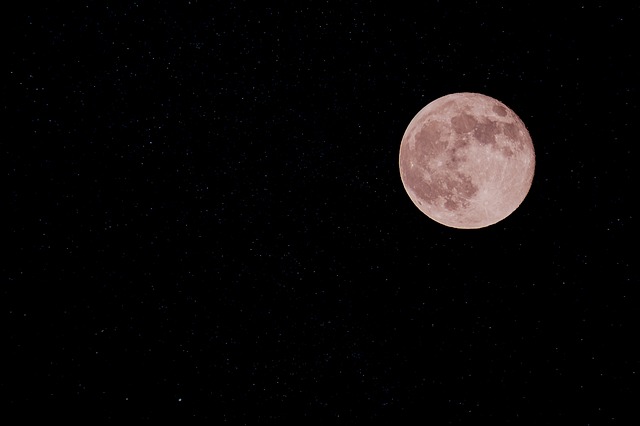
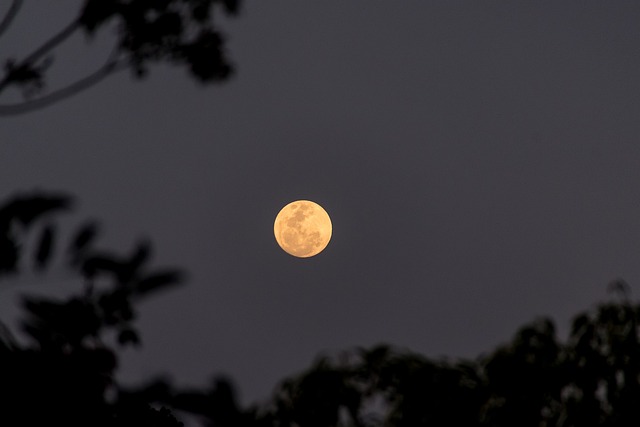
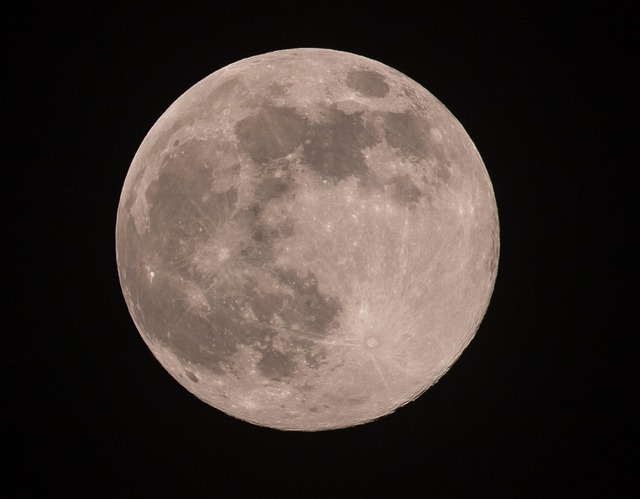
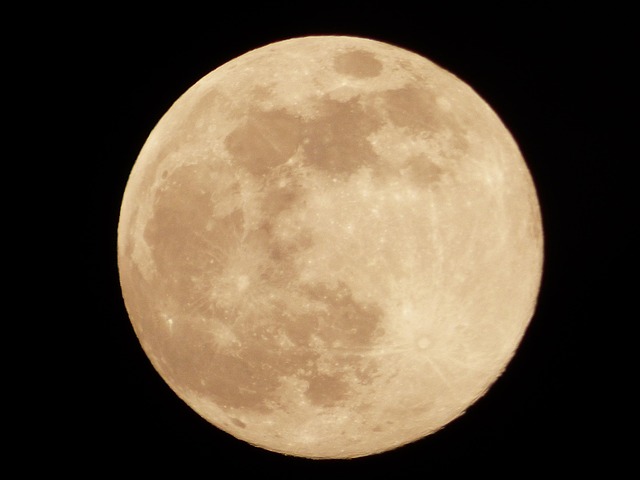
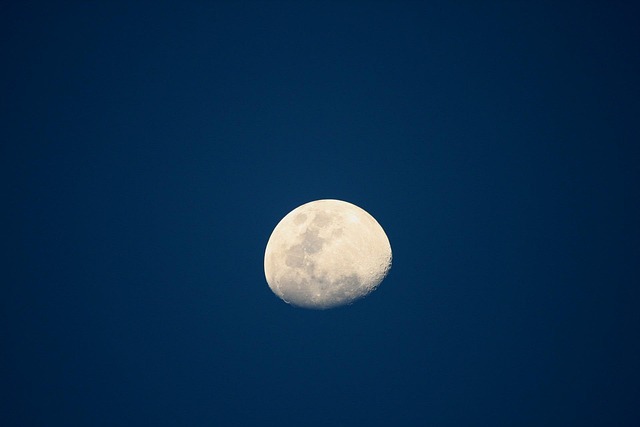
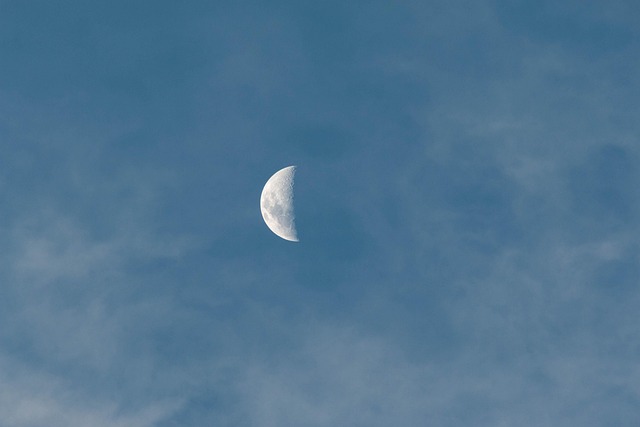
Skywatchers across the UK are being encouraged to look up in the early hours of Thursday, 2 April, as April’s so-called “Pink Moon” reaches its peak. Despite its evocative name, the lunar display is unlikely to appear pink. Instead, the fourth full moon of the year is expected to shine brightly, with a possible warm, peachy-orange hue—particularly when it sits low on the horizon.
++ Cornwall station to support NASA’s Artemis II moon mission
The full moon will reach its peak illumination at 3:12am (BST) on 2 April 2026. However, observers need not limit themselves to that precise moment. The moon will appear almost full on the nights immediately before and after, offering ample opportunity for viewing. The spectacle should be visible across the UK, provided skies are clear and light pollution is minimal. Rural areas or parks away from city lights will offer the best vantage points.
Although it will not resemble its namesake colour, the moon may take on a soft orange tint when near the horizon. According to BBC Sky at Night, this effect occurs because the moon’s light passes through a thicker layer of Earth’s atmosphere at lower angles, filtering shorter wavelengths and allowing warmer tones to dominate.
This phenomenon is similar to the effect seen during a so-called “blood moon”, though less intense. Additionally, the moon may appear unusually large due to an optical illusion caused by its low position in the sky—often making it seem far bigger than when it is higher overhead.
The name has little to do with the moon’s appearance. Instead, it originates from seasonal traditions in North America, where April’s full moon coincides with the blooming of a pink wildflower known as moss phlox.
++ Women head to Turkey for drastic leg-shortening surgery
The April full moon is also known by several alternative names, including the “sprouting grass moon”, the “egg moon”, and the “fish moon”—each reflecting natural changes associated with the arrival of spring. While it may not deliver a pink spectacle, the April full moon remains a striking celestial event—and well worth a glance skyward.


