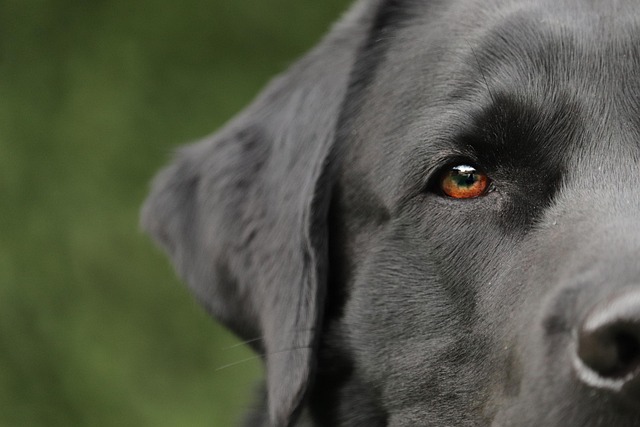





New genetic evidence suggests that dogs may have been living alongside humans far earlier than previously believed, with origins stretching back nearly 16,000 years. The findings, published in Nature, challenge earlier estimates that placed the emergence of domestic dogs at around 10,900 years ago. Instead, the latest research indicates that the relationship between humans and their canine companions began some 5,000 years earlier.
++ Cornwall station to support NASA’s Artemis II moon mission
Despite their enduring presence in households worldwide, the origins of dogs remain something of a scientific puzzle. Pontus Skoglund, a Swedish researcher at the Francis Crick Institute, described the question as an “intriguing mystery”.
Scientists believe modern dogs likely descended from a mix of two populations of grey wolves, though pinpointing exactly when this divergence occurred has proved difficult. One challenge lies in distinguishing ancient dog remains from those of wolves, which can appear remarkably similar.
To address this, researchers analysed DNA extracted from archaeological specimens. One study identified the oldest known canine DNA in a fragment of skull discovered at Pınarbaşı, in present-day Turkey. The remains belonged to a young female, thought to have lived around 15,800 years ago and likely resembling a small wolf. The research team, including Laurent Frantz of Ludwig Maximilian University of Munich, also uncovered evidence of early dogs in south-west England dating back approximately 14,300 years. This suggests that dogs had already begun spreading across Europe during this period.
While it remains unclear precisely how these early animals were used, researchers believe they must have held some value to human communities, given the resources required to sustain them. Hunting and protection are among the possible roles suggested, though a degree of companionship is also likely.
++ Women head to Turkey for drastic leg-shortening surgery
Further evidence of a close bond comes from burial sites at Pınarbaşı, where puppies were found interred above human graves—hinting at a relationship that extended beyond simple utility.
A second study examined more than 200 genetic samples from dogs and wolves across Europe, tracing how canine populations evolved over time. The analysis revealed that, although humans mixed genetically during large-scale migrations from south-west Asia around 10,000 years ago, dogs did not follow the same pattern.
Instead, it appears that early farming communities adopted dogs already kept by Europe’s hunter-gatherers. According to Skoglund, this suggests that domestication had occurred well before the arrival of these agricultural societies. Even so, researchers note that a significant genetic gap remains between dogs and their wolf ancestors. As Skoglund put it, the “search for the missing link” in canine evolution is far from over.


