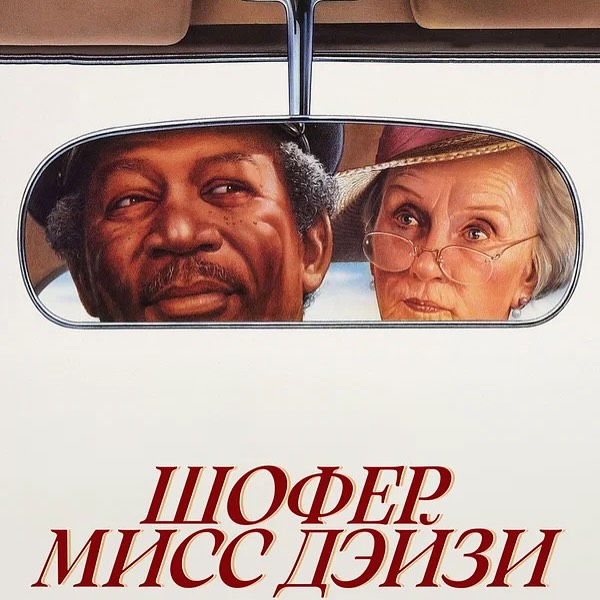
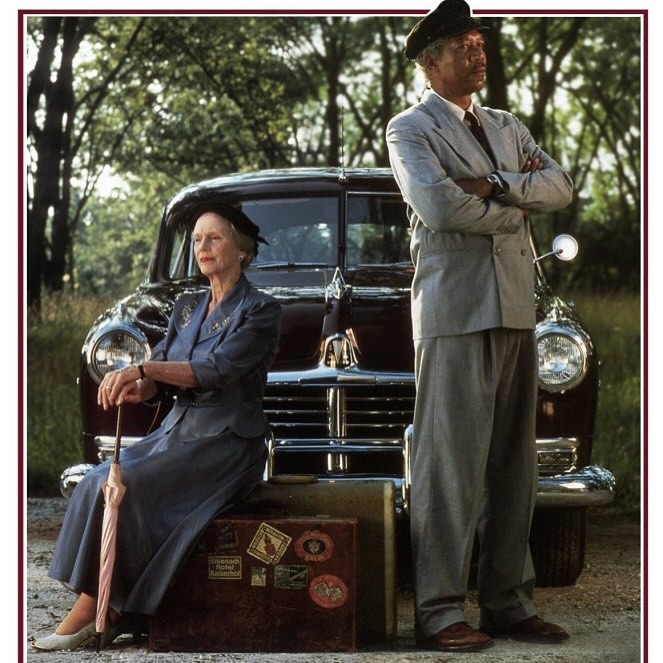
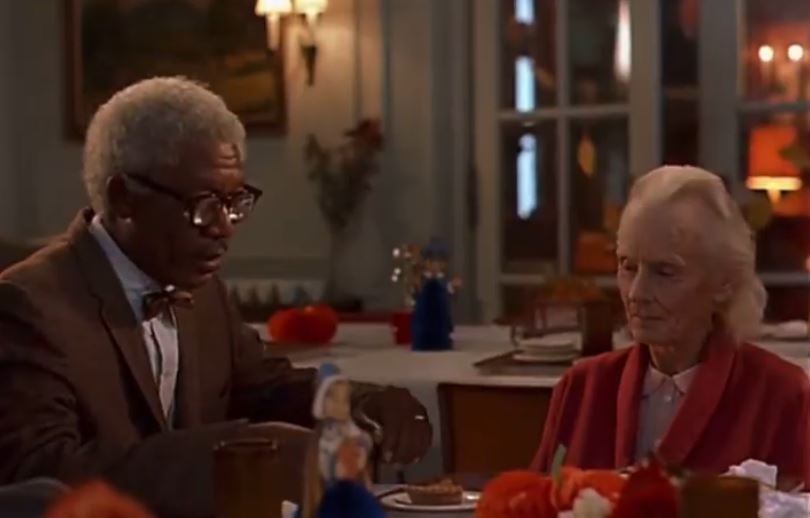
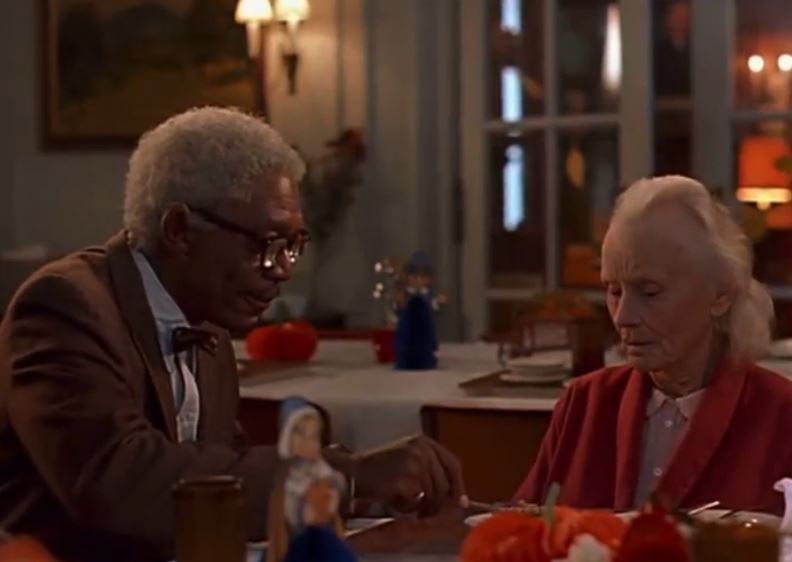
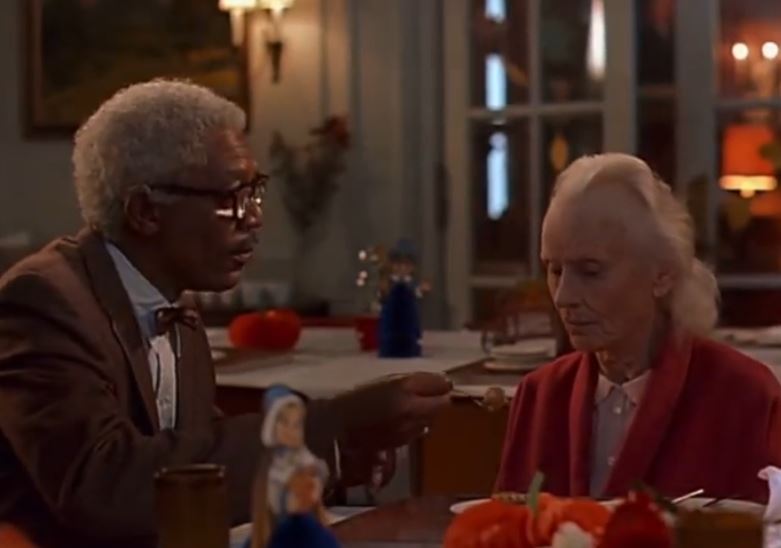
Released in December 1989, Driving Miss Daisy achieved significant commercial and critical success, quickly becoming one of the most celebrated films of its year. Produced on a modest budget of $7.5 million, it grossed more than $145 million worldwide and received widespread acclaim. The film earned nine Academy Award nominations, winning four, including Best Picture, Best Adapted Screenplay and Best Actress for Jessica Tandy. It also performed strongly at the Golden Globe Awards, securing major wins, including Best Motion Picture – Musical or Comedy.
++ Rosie Huntington-Whiteley and Jason Statham reflect on home project
Despite its early success, the film attracted criticism from the outset, with some commentators questioning its portrayal of race relations. Over time, these criticisms have grown more prominent, and the film’s reputation has shifted. While once regarded as a defining cinematic achievement, it is now frequently reassessed in the context of evolving perspectives on storytelling and representation.
In recent years, several publications have offered more critical evaluations of the film. In 2025, Collider ranked it among the weakest Best Picture winners, arguing that its depiction of racism appeared overly simplified and romanticised. Earlier commentary has similarly suggested that the narrative felt dated even at the time of release, with critics describing its tone as conventional and lacking in complexity.
++ Dave Myers’ widow set to receive business payout
A recurring point of debate is the film’s Best Picture win over other works from the same period, particularly Do the Right Thing, which was not nominated. Director Spike Lee has been among its most vocal critics, questioning its cultural relevance in comparison with his own film. Audience responses have also reflected this divide, with some viewers continuing to challenge the film’s legacy despite its earlier acclaim.


