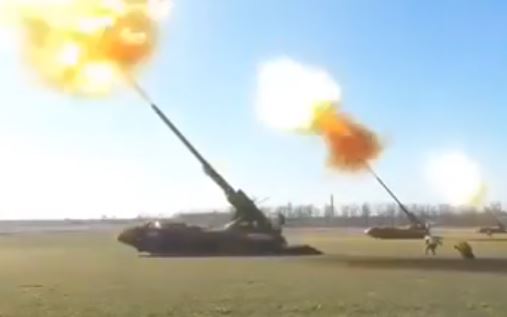
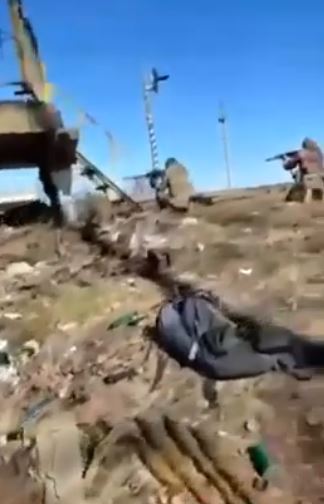
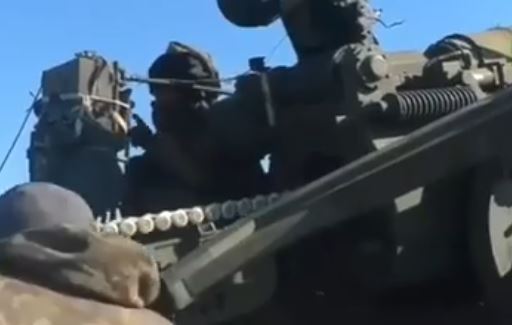
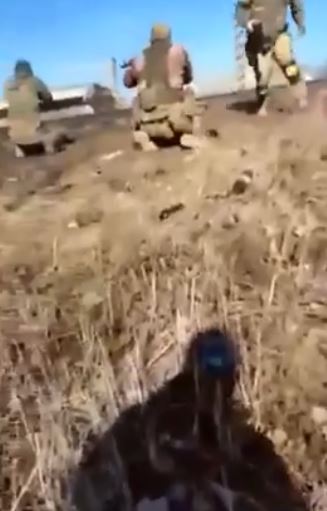

Volodymyr Zelensky has emphasised Russia’s battlefield losses and instructed his new defence minister to prioritise them. In December alone, Ukraine reports over 35,000 Russian soldiers were killed or seriously wounded, with the stated aim of raising the number to 50,000 per month. President Zelensky told Mykhailo Fedorov to “make the cost of war for Russia one it cannot sustain, thereby forcing peace through strength,” according to Fedorov’s first briefing as Defence Minister. Estimates suggest 1.2 million Russian personnel have been killed, wounded, or are missing since the invasion began, while Ukrainian casualties are estimated between 500,000 and 600,000.
++ Five Futuristic Inventions Turning Humans into Cyborgs
Despite these losses, analysts warn that highlighting Russian fatalities does not guarantee strategic success. Former Ukrainian officials note that focusing on numbers is part of an attrition strategy but may not change the overall war dynamics. Ukraine continues to refuse any deal ceding Donetsk, as few believe President Putin’s objective is anything short of total subjugation. Around 20% of Donetsk remains under Ukrainian control, including heavily fortified cities such as Kramatorsk and Sloviansk, and military experts estimate it could take Russia another 18 months to capture the region.
Operational challenges persist, particularly regarding drone warfare and technological advantage. American volunteer Ryan O’Leary criticises the “e-points” scheme, arguing that it incentivises strikes on infantry rather than deeper strategic targets like logistics hubs, communication lines, and drone crews. Ukrainian reconnaissance officers have also highlighted Russia’s advances in electronic warfare and fibre-optic drones, which reduce the effectiveness of Ukraine’s unmanned aerial capabilities. Maintaining an edge in operational depth remains critical for influencing the course of the conflict.
++ Nelson Peltz addresses family tensions at public event
Manpower shortages compound Ukraine’s difficulties. Estimates suggest fewer than ten infantry soldiers per kilometre of front line, with brigades operating at around 10% of standard infantry strength. Drone crews are particularly insufficient, covering only about 30% of the 745-mile frontline. Defence Minister Fedorov has reported widespread call-up avoidance and desertions, underscoring the need to bolster personnel while maintaining technological superiority. Analysts caution that without improvements in both human and technological resources, the likelihood of Ukraine achieving its objectives remains uncertain.


