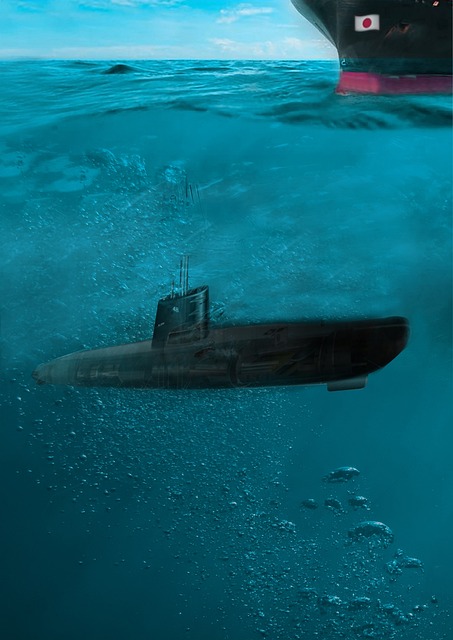
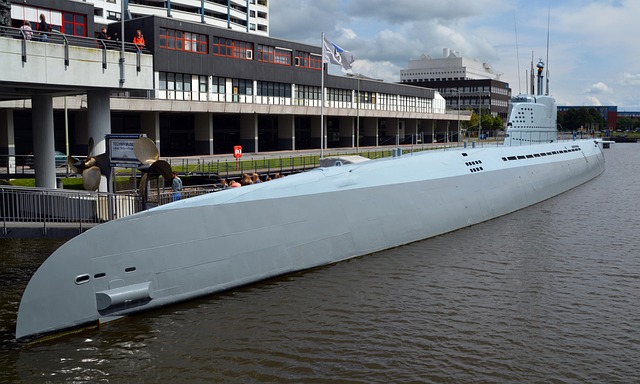
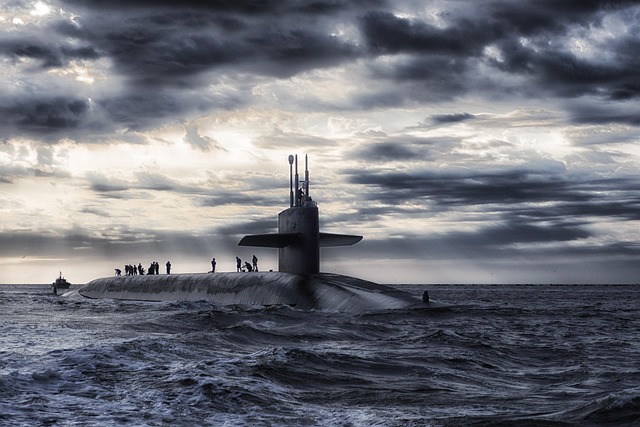
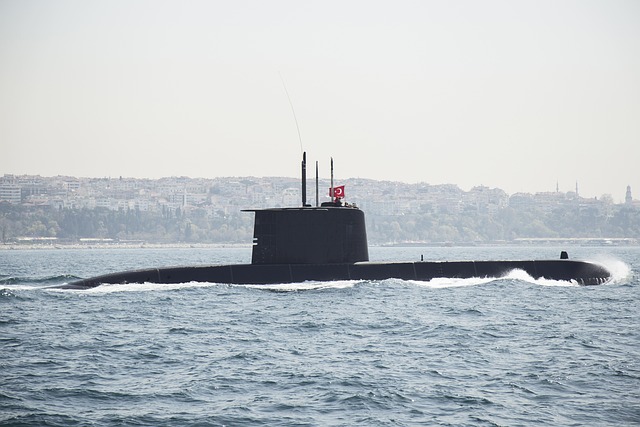
The Royal Navy is testing fleets of small robotic vessels, each no larger than a bicycle, as part of efforts to improve the detection of Russian nuclear submarines in the North Atlantic. The autonomous craft, known as the Oshen C-Star, measures about four feet in length and weighs roughly 50kg. It is currently undergoing early-stage trials with the Ministry of Defence. If the technology proves effective, the vessels could become a new layer of maritime surveillance, providing constant monitoring in areas of strategic importance. Equipped with sensitive acoustic sensors, the C-Stars are designed to help locate Russia’s latest Yasen-M class nuclear submarines. These submarines, stretching more than 430 feet and weighing around 13,000 tonnes, dwarf the robotic boats that would be used to track them.
++ Britain’s tallest waterfall outscales Niagara in a location few ever reach
Developers at the Plymouth-based firm Oshen envisage deploying large “picket lines” of up to 1,000 of the wind- and solar-powered craft across key waterways between Iceland, Greenland and the UK. The drones would work alongside the Royal Navy’s forthcoming Type 26 frigates, which are due to enter service in the 2030s with a primary role in submarine hunting.
The trials form part of the Atlantic Bastion programme, a broader initiative aimed at creating a future fleet of unmanned surface and underwater vehicles to support conventional warships and strengthen deterrence against hostile states.
Anahita Laverack, 25, Oshen’s co-founder and an aeronautical engineering graduate from Imperial College London, said the vessels could provide an early warning capability. She described the drones as a long-endurance monitoring network that could relay information rapidly to naval commanders when suspicious activity is detected. Ms Laverack founded the company three years ago with business partner Ciaran Dowds, 26. She said global security conditions had shifted dramatically and that applying advanced engineering skills to national defence was a way to safeguard Britain’s long-term future.
Concerns about Russian naval activity near UK waters have grown in recent years. Navy officials have reported a sharp rise in encounters with Russian warships and submarines, with incidents increasing by around 30 per cent in 2025 alone.
In November, the Russian vessel Yantar, suspected of intelligence-gathering, was observed operating north of Scotland. Its crew later prompted controversy after allegedly shining lasers at RAF pilots monitoring the ship. More recently, a Royal Fleet Auxiliary vessel was dispatched to shadow a Russian submarine transiting the English Channel.
++ Couple divorces just weeks after wedding due to feuding pets
Although designed with defence in mind, the C-Stars have already demonstrated their resilience in civilian roles. The craft became the first uncrewed boats to collect and transmit data from inside a Category 5 hurricane, surviving extreme winds and towering waves while relaying vital environmental measurements.
Ms Laverack said the same technology could help protect Britain’s seas and critical underwater infrastructure, including communication cables. She argued that anti-submarine warfare remains the most urgent challenge, with the drones able to deploy hydrophones at varying depths to identify the acoustic signatures of submarines. Once a potential contact is detected, the information could be passed to the Navy, prompting the deployment of a warship or a Merlin helicopter for closer investigation.
Their small size, she added, makes the vessels extremely difficult to detect, even at relatively short distances. They are also designed to be inexpensive and easily replaceable, with a fleet of 1,000 estimated to cost between £10m and £20m.
Senior military figures have warned that Britain faces mounting pressure at sea. General Sir Gwyn Jenkins, head of the Royal Navy, recently cautioned that the UK was struggling to contain the growing Russian threat and called for greater investment in defence capabilities. Defence Secretary John Healey has described the Atlantic Bastion programme as a model for the future of the Royal Navy, signalling a shift towards integrating autonomous systems with traditional maritime power.


