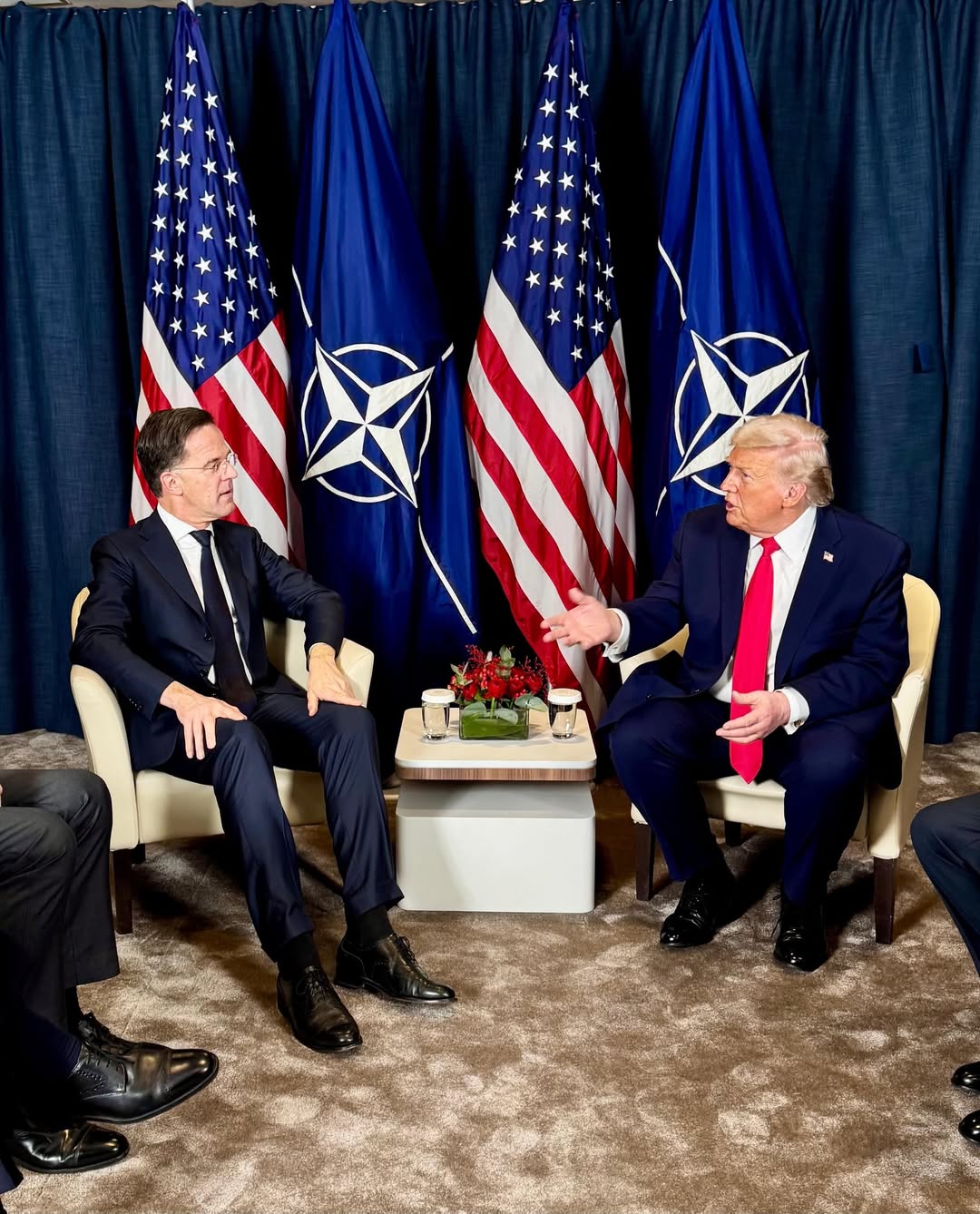


Donald Trump has approved a significant redistribution of senior command responsibilities within NATO, transferring control of three major operational posts to European allies. Under the changes, the United Kingdom will assume leadership of the Atlantic Command based in Norfolk, Virginia, while Italy will oversee Nato’s southern flank from its headquarters in Naples. Germany and Poland will jointly manage Joint Force Command Brunssum in the Netherlands on a rotating basis.
++ Meet the hoatzin, the unusual bird known as one of the smelliest in the world
Alliance officials have stressed that the move reflects a deliberate effort to encourage European nations to shoulder more responsibility for the continent’s defence, rather than signalling a US retreat. A Nato official said allies had agreed to a revised distribution of senior roles that would give European members, including newer states, a stronger presence in the alliance’s military leadership. As a result, all three of Nato’s joint force commands at the operational level will now be led by European commanders.
The changes come amid renewed uncertainty over Washington’s long-term commitment to European security, following repeated warnings from Mr Trump that the US could reduce its military footprint in Europe to focus on other strategic priorities. Concerns have been heightened by tensions over Greenland and by calls from Emmanuel Macron for Europe to avoid complacency about American support. Analysts speaking ahead of the Munich Security Conference have described the current climate as one of profound disruption to established security arrangements.
++ Tom Cruise leaves London home after years in the UK
Despite this, Nato leaders insist that the United States remains central to the alliance. The US will retain the position of Supreme Allied Commander Europe and will take control of Nato’s maritime forces from Northwood in the UK, ensuring continued oversight of the alliance’s main air, land and sea commands. American officials have argued that the reallocation of responsibilities is intended to strengthen Nato by encouraging a more balanced partnership among its 32 member states, rather than weakening transatlantic ties.


