

A growing household nuisance — redundant gadgets — may soon be easier to manage, thanks to a recycling initiative that combines convenience with incentives. A scheme known as the Trashie Tech Take Back Box is aiming to tackle electronic waste while offering consumers tangible rewards in return.
++ Wave of school violence raises concerns over youth militarisation in Russia
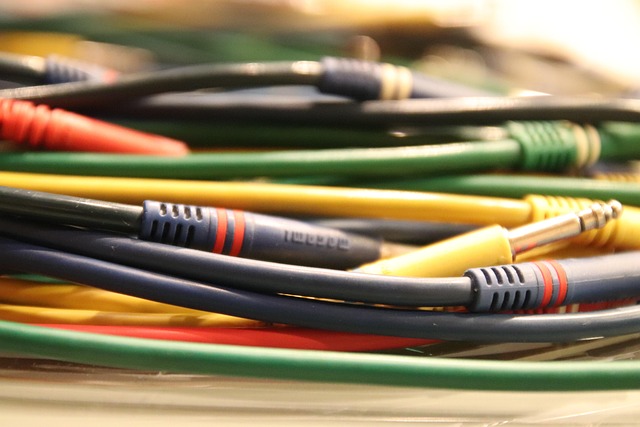
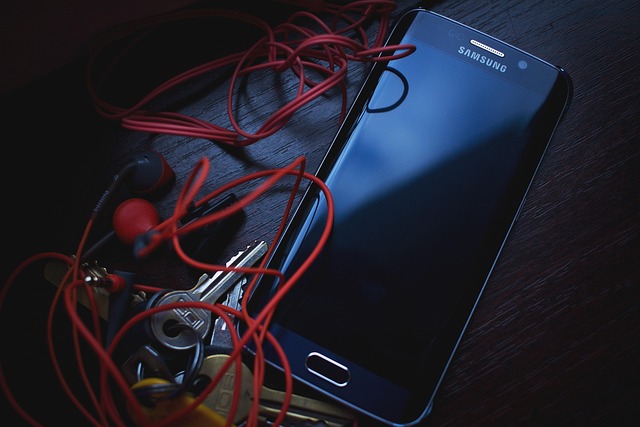
The concept is straightforward. For a fee, customers receive a pre-paid box capable of holding up to 10 pounds of unwanted electronics, including laptops, mobile phones, cables and chargers. Once filled and returned, users are credited with a higher value in digital rewards — dubbed “TrashieCash” — redeemable across a range of partner services.
Participating brands include major hotel groups and entertainment providers, allowing users to exchange their recycling efforts for discounts on accommodation, streaming subscriptions and retail purchases. Notably, items sent for recycling need not be functional, broadening the appeal to those with long-forgotten or damaged devices.
Beyond the personal benefits, the scheme addresses a mounting environmental concern. According to the World Health Organization, global electronic waste reached 62 million tonnes in 2022 — a figure expected to rise as technology becomes ever more embedded in daily life. Improper disposal often leads to landfill overflow and environmental contamination.
++ Fish in British waters turning to smaller prey amid warming seas and overfishing
Programmes such as this seek to divert waste from landfill by encouraging responsible disposal habits. Trashie has already implemented a similar model for clothing through its Take Back Bags, offering rewards for recycling textiles. Comparable services, including those run by resale platforms, also provide financial incentives in exchange for used garments.
While such initiatives may not solve the e-waste crisis alone, they represent a shift towards more consumer-friendly recycling solutions. By pairing environmental responsibility with practical rewards, companies are betting that convenience — and a modest financial return — will encourage wider participation. For households grappling with drawers full of outdated devices, the approach offers a clear proposition: declutter, recycle, and earn something back in the process.


