

Officials moved quickly after an invasive fish species was discovered in a pond at a popular recreation area in Columbus, Ohio, preventing the species from spreading into nearby waterways. The Columbus Recreation & Parks Department drained and temporarily closed the Whetstone Casting Pond in the Clintonville district after round gobies were detected shortly after Independence Day. The action followed reports published by The Columbus Dispatch.
++ Britain’s creepiest churches with chilling legends
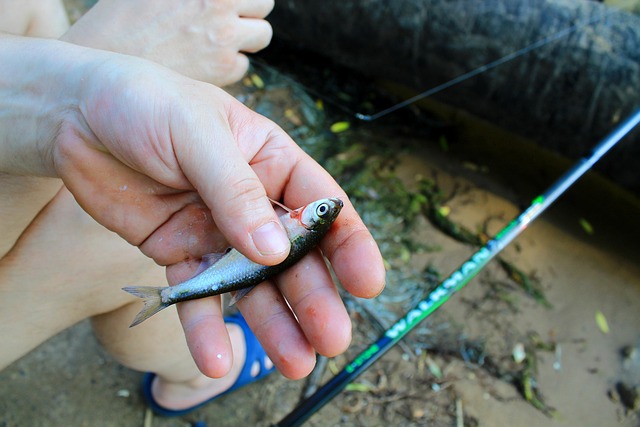
Round gobies are relatively small fish, typically growing to around six inches in length, according to the Invasive Species Centre. Despite their modest size, they are known to be highly aggressive and can rapidly outcompete native species. The fish originate from the Black Sea and Caspian Sea regions. When introduced into new environments, the species can disrupt local ecosystems by pushing out native fish populations that play important roles in maintaining ecological balance. Such disruptions may also affect food systems that depend on healthy aquatic habitats.
More broadly, invasive species — whether plant or animal — can impose significant economic costs. The United States Department of Agriculture estimates that invasive species have contributed to around $1.29 trillion in economic losses across the United States over the past five decades.
On a smaller scale, invasive species can damage private property and require considerable effort to manage. Their spread often forces landowners to invest time and resources into removal and control, particularly when compared with rewilded landscapes that tend to require less maintenance and support beneficial pollinators.
++ Study raises concerns over AI-Generated diet plans for teenagers
Scott Hale, executive administrator for fish management and research at the ODNR Division of Wildlife, explained that the species reproduces rapidly. “These are the kind of fish that can reproduce up to six times in the summer,” he told The Columbus Dispatch. “So if we have a few in there, even when they’re very small, we need to take action and remove them.”
The concern, he added, is that the pond can eventually drain into the nearby Scioto River when filled, potentially allowing the invasive species to spread further. Officials remain uncertain how the fish entered the pond. One possibility is that anglers unintentionally introduced them while using the species as bait. Another theory suggests they may have been inadvertently included in fish stock supplied by a private vendor for a recreational event.


