
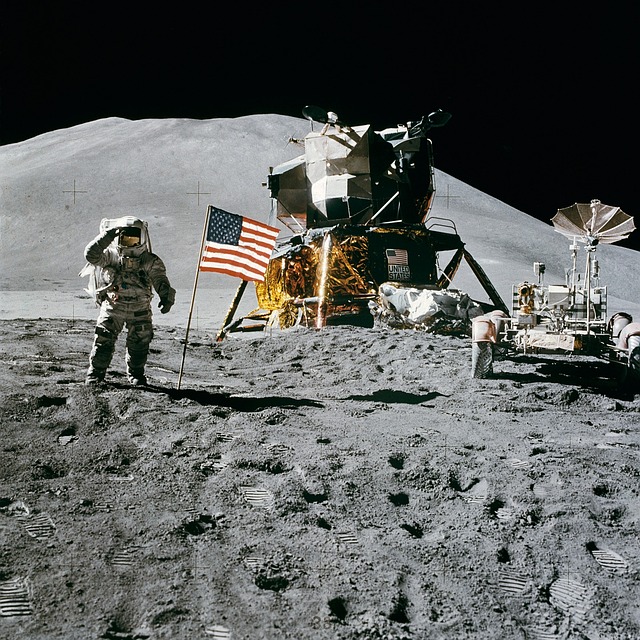

Nasa has set Wednesday 1 April 2026 as its latest target for the launch of Artemis II, the mission expected to carry astronauts around the Moon for the first crewed lunar voyage since Apollo 17 in 1972. The agency said the Space Launch System rocket and Orion spacecraft are due to roll out to pad 39B at Kennedy Space Center on 19 March, ahead of the planned launch attempt.
++ Study suggests raccoons solve puzzles out of curiosity
The mission had originally been expected to fly earlier, but technical setbacks pushed the timetable back. Nasa said hydrogen fuel leaks were addressed at the pad in February, but a separate helium-flow issue forced the rocket to be returned to the Vehicle Assembly Building for further work, delaying the launch into April. Official mission planning documents also show only a limited set of launch opportunities in early April before the next available window later in the month.
Artemis II is intended as a lunar fly-by rather than a landing mission, and will pave the way for later attempts to return astronauts to the lunar surface. Nasa’s current launch planning material shows available opportunities on 1, 3, 4, 5 and 6 April, subject to technical and weather conditions.
++ The only place on Earth where crocodiles and alligators live side by side
The broader Artemis programme has also come under increasing scrutiny. A recent audit from Nasa’s Office of Inspector General said development challenges involving the Human Landing System are likely to delay future Artemis missions and warned that significant technical and crew-safety issues remain unresolved. The watchdog said landing systems being developed by SpaceX and Blue Origin still face major hurdles, including in-orbit refuelling before any journey to the Moon.
Those concerns are especially relevant because later missions are expected to aim for the Moon’s south polar region, where terrain is more difficult than the lower-latitude landing sites used during Apollo. Nasa has nevertheless continued to present Artemis II as the next major step in its long-term lunar campaign.
The latest schedule means the coming weeks will be critical for the agency as it tries to send the first Artemis crew into deep space and restore a human presence around the Moon more than half a century after the last such mission.


