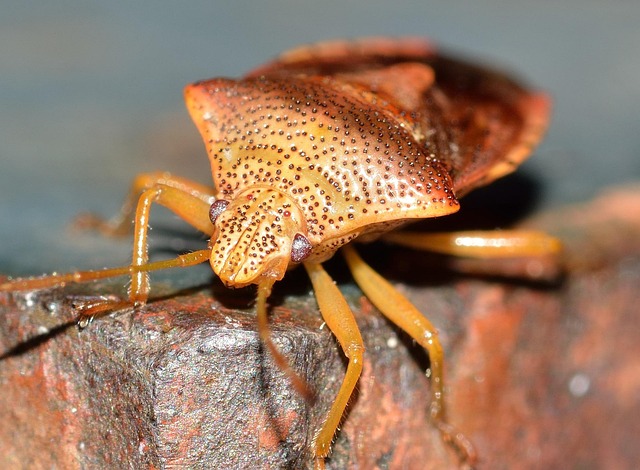
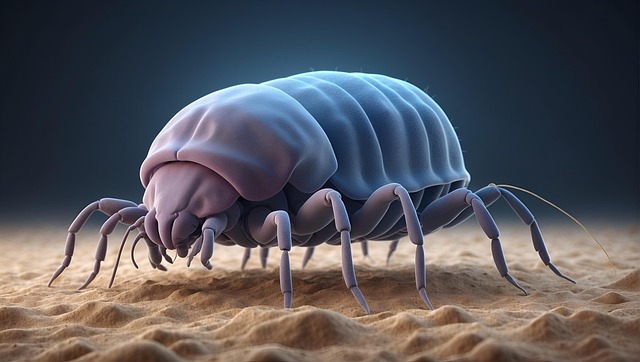
An unexpected laboratory observation has led researchers to a striking conclusion: bedbugs appear to have a strong aversion to water and damp surfaces, a finding that could help shape new ways of tackling the persistent household pests.
++ The only place on Earth where crocodiles and alligators live side by side
The common bedbug, Cimex lectularius, feeds on blood and is notorious for rapidly infesting homes while proving exceptionally hard to remove. Over the past two decades, studies have pointed to a worldwide resurgence in bedbug numbers, largely attributed to growing resistance to chemical insecticides. In response, scientists have been working to better understand the insect’s behaviour in the hope of improving control measures.
The latest study found that bedbugs consistently steer clear of moisture, behaviour that had not previously been documented. Researchers said the reaction is consistent with the insect’s physical make-up. Bedbugs have flattened bodies and tiny respiratory openings, known as spiracles, located along the sides of the abdomen. According to Dong Hwan Choe, one of the study’s authors, contact with water may trap the insects against the liquid’s surface and obstruct those openings.
“If they physically contact a body of water, they’ll get stuck to its surface, blocking their respiratory openings,” Dr Choe said in the study, which was published in the Journal of Ethology.
He added that, from a bedbug’s point of view, water poses a serious threat because of its adhesive properties. “It is not surprising to learn that they’re extremely averse to moisture,” said Dr Choe, an entomologist at the University of California, Riverside.
The discovery itself came about by chance during standard lab work. Scientists were keeping bedbug colonies in small vials, with an artificial blood feeder placed on top. The insects would climb upwards and pierce a thin membrane to feed.
During one experiment, however, the membrane was slightly damaged, allowing blood to leak on to a piece of paper inside the vial that the insects used for grip. Dr Choe said he initially expected the insects to feed from the soaked paper. Instead, the opposite happened.
“The leaked blood was slowly soaking the paper from the top of the vial. I thought the bedbugs would be happy to drink the blood from the paper,” he said.
++ Study suggests raccoons solve puzzles out of curiosity
“But what I saw was very different. They were actively avoiding the part of the paper that became wet with blood. They wouldn’t even walk near the wet areas.”
To test whether it was the moisture rather than the blood itself causing the response, researchers dampened the paper with water. The insects avoided those areas too.
Subsequent experiments showed the pattern was consistent across the species: males and females, as well as younger and older bedbugs, all kept away from wet surfaces. In many cases, the insects quickly withdrew after nearing damp patches, often making what the researchers described as rapid U-turns. The findings may have practical implications for limiting the spread of infestations. Dr Choe suggested that anyone who suspects bedbugs may be on their body could take a bath as an immediate response.
“Take a bath. It’ll solve the problem,” he said.
He added, however, that dealing with bedbugs elsewhere in a room or in bedding would still require other methods.


