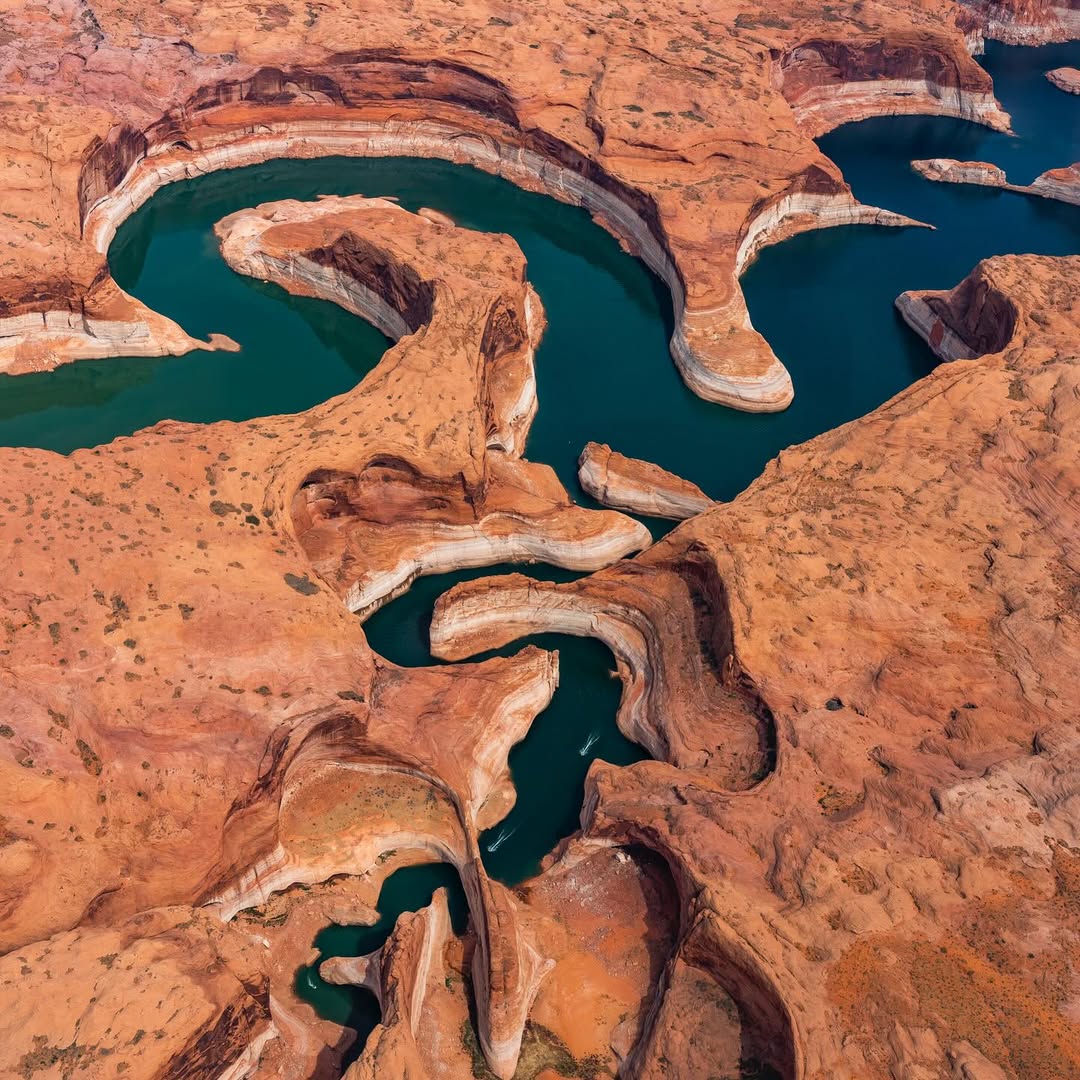
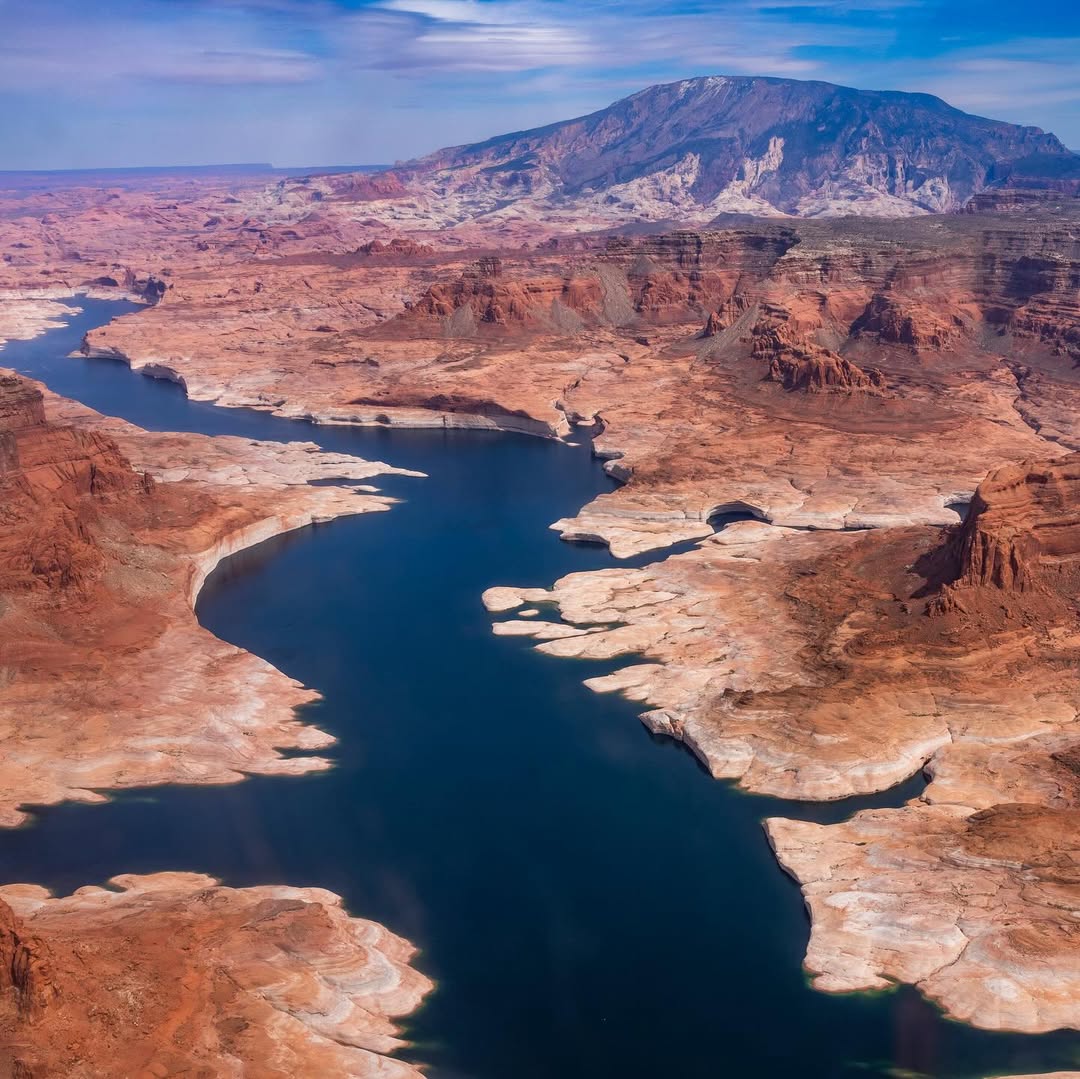
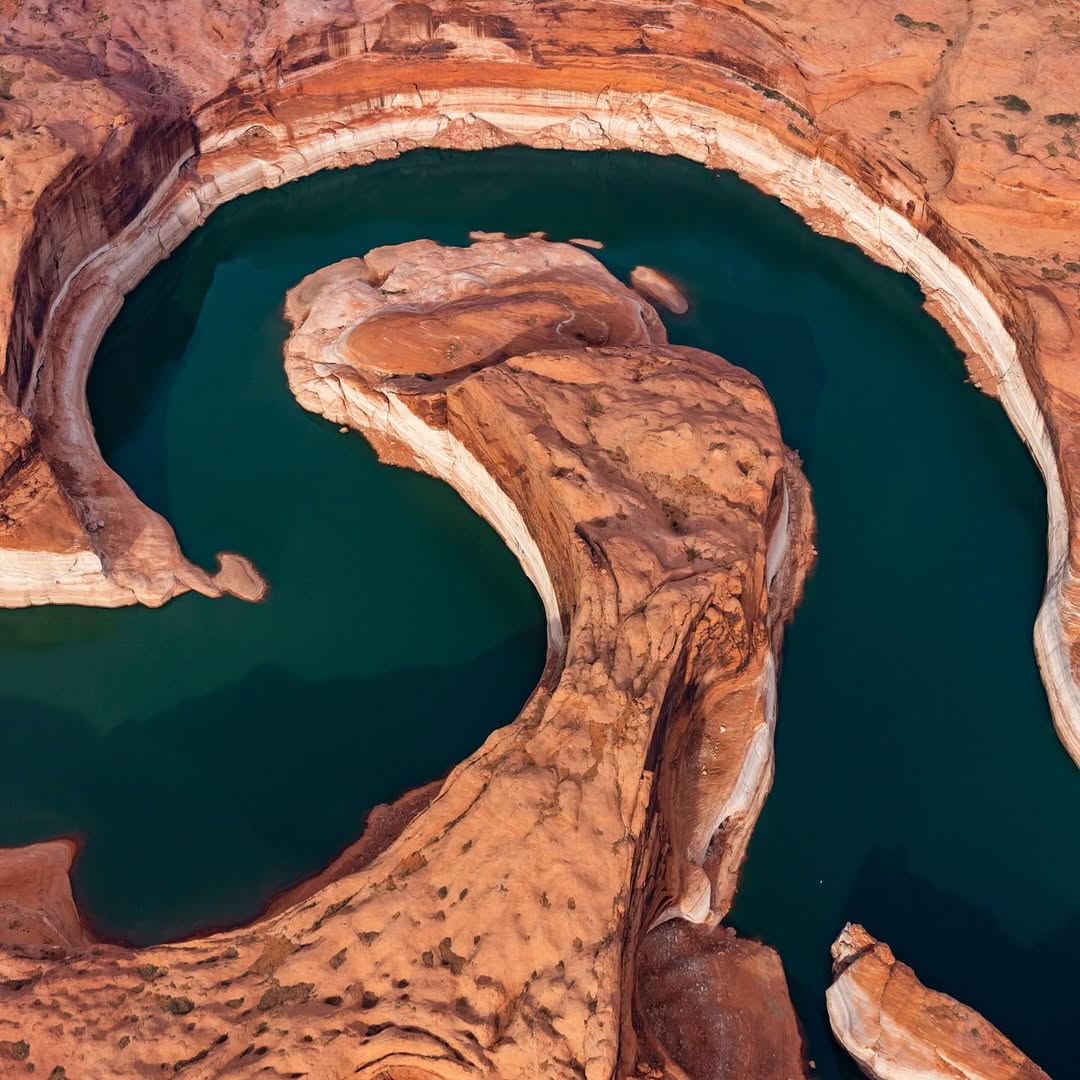
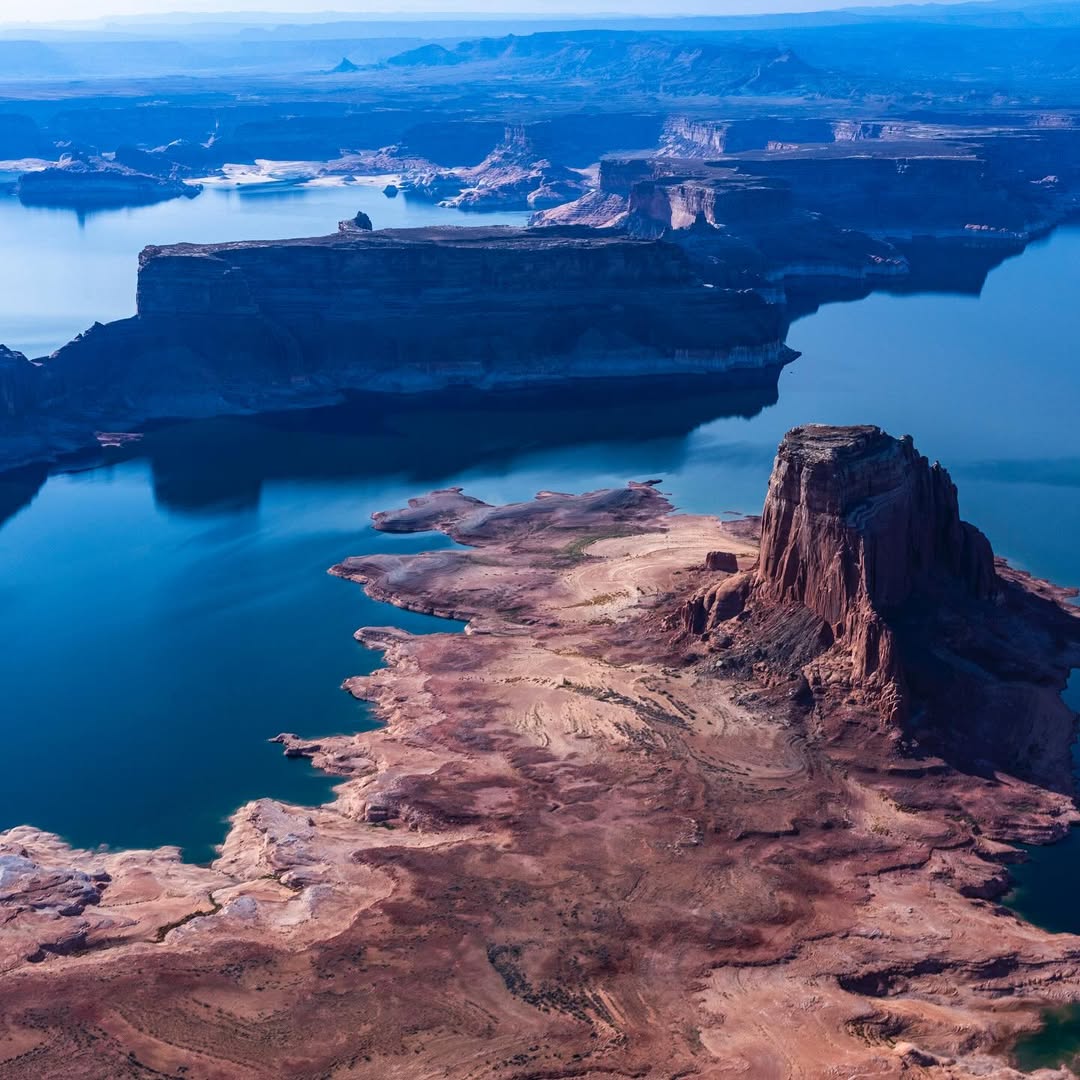
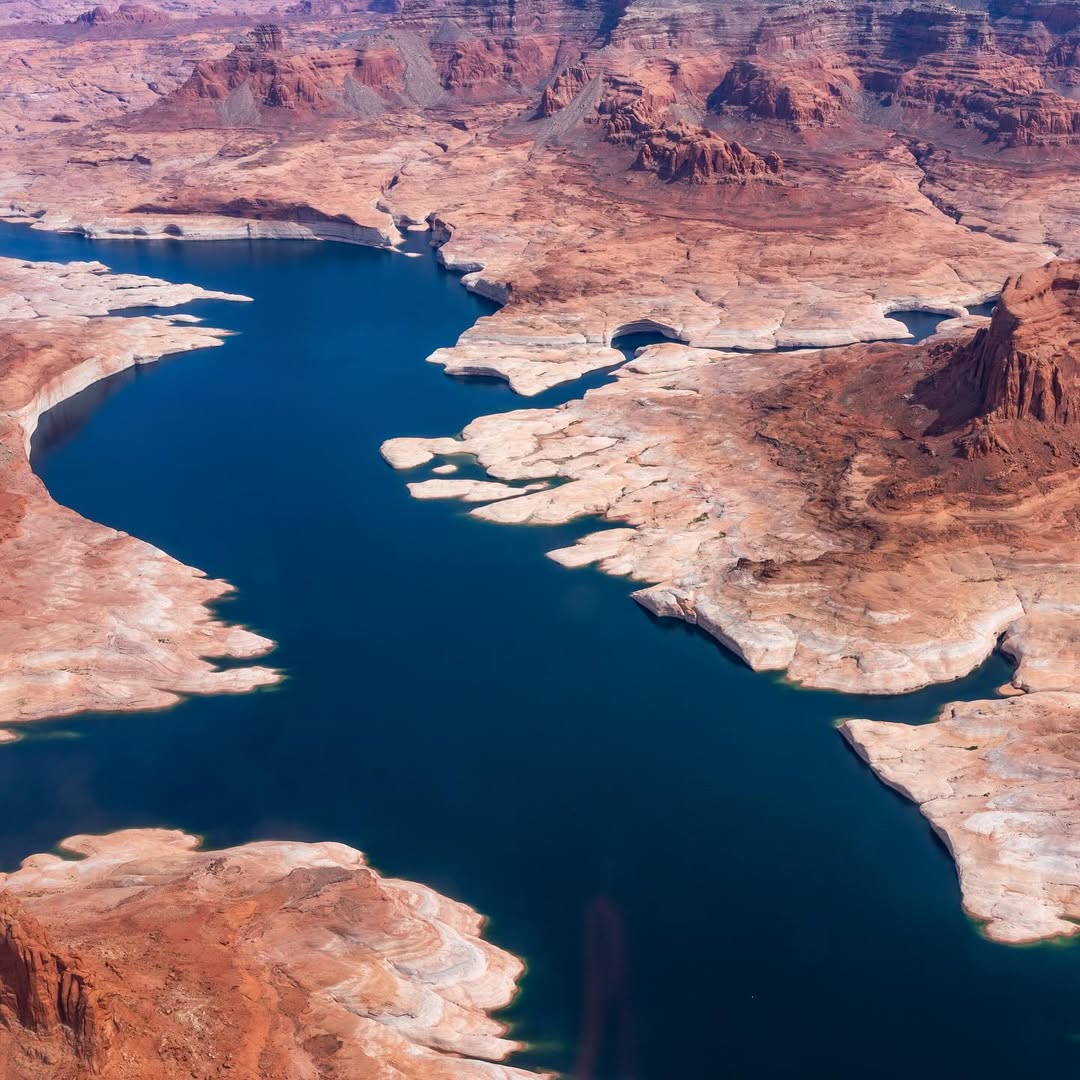
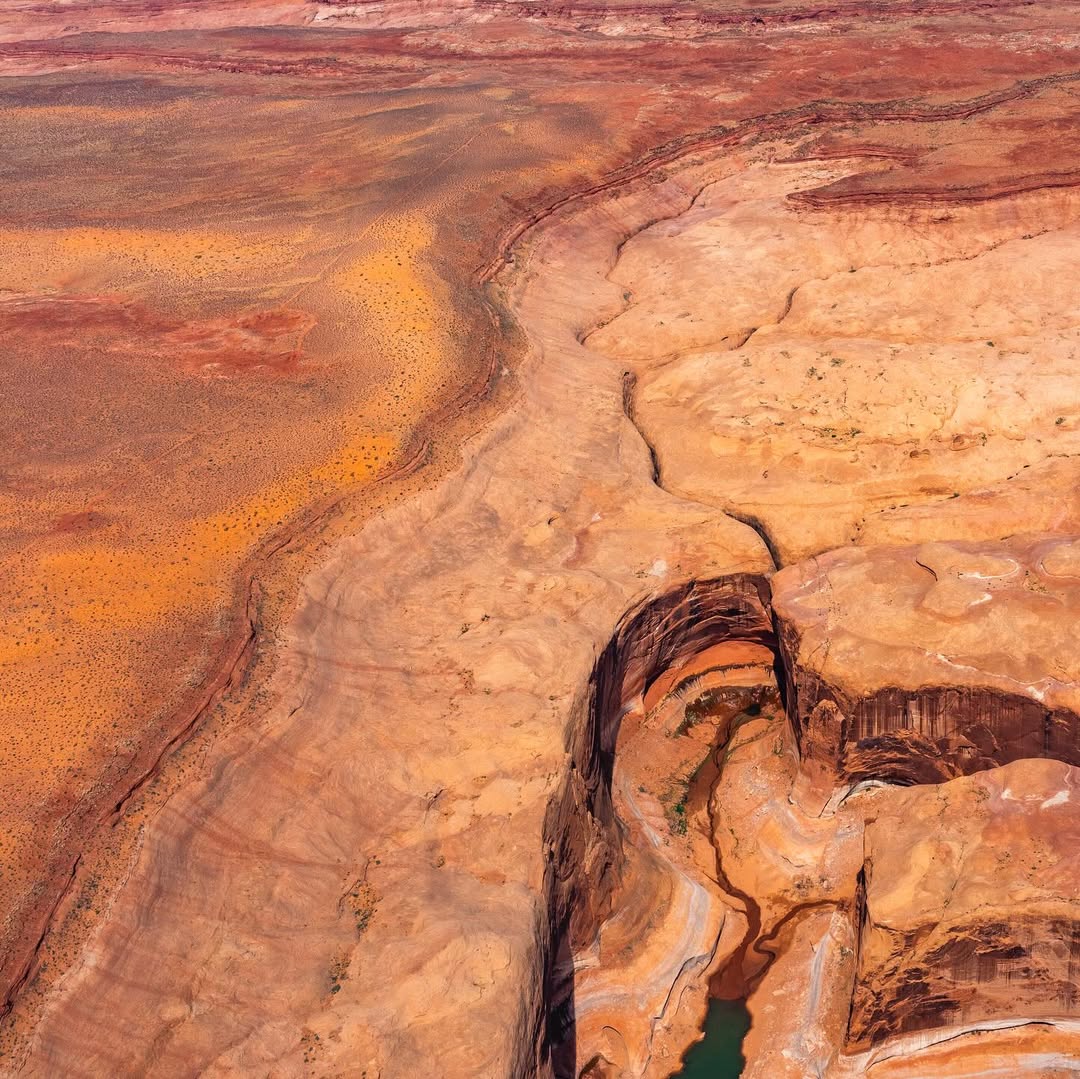
The Colorado River supports around 40 million people and roughly $1.4 trillion in annual economic activity across seven US states and Mexico. However, a century-old legal framework allocates more water than the river can realistically provide. Over the past hundred years, the river’s flow has fallen by about 20 per cent as climate change has intensified drought conditions in the American West. This decline has fuelled growing tensions between the less populated Upper Basin states and the far more populous Lower Basin, which rely heavily on the river for agriculture and large urban centres.
++ Leadership changes bring uncertainty at The King’s Foundation
The seven states must agree on new rules by the end of September governing how the river’s water will be shared during dry years. Negotiations have so far produced little progress, with key deadlines already missed. Officials from the Upper Basin argue they are being asked to resolve a shortage they did not create, while representatives from the Lower Basin say they have offered several compromises that have been rejected. Meanwhile, an exceptionally dry winter has pushed major reservoirs towards critically low levels, raising the possibility that Lake Powell may be unable to generate hydropower.
If the states fail to reach an agreement, the federal government may be forced to intervene. The Interior Department has suggested it could allocate water based on historical priority rights, a move that would protect some long-standing claims while imposing severe reductions on others, particularly in the Phoenix metropolitan area. Any unilateral action is widely expected to trigger legal challenges, potentially escalating the dispute to the US Supreme Court.
++ Harper Beckham steps out in Paris as family support Victoria Beckham honour
Experts warn that litigation would leave all sides uncertain about the outcome and could expose water users to significant risks. Although some officials remain hopeful that a short-term compromise can still be reached, the broader challenge remains unresolved: adapting water allocation to a future in which the Colorado River is likely to deliver far less water than it once did.


