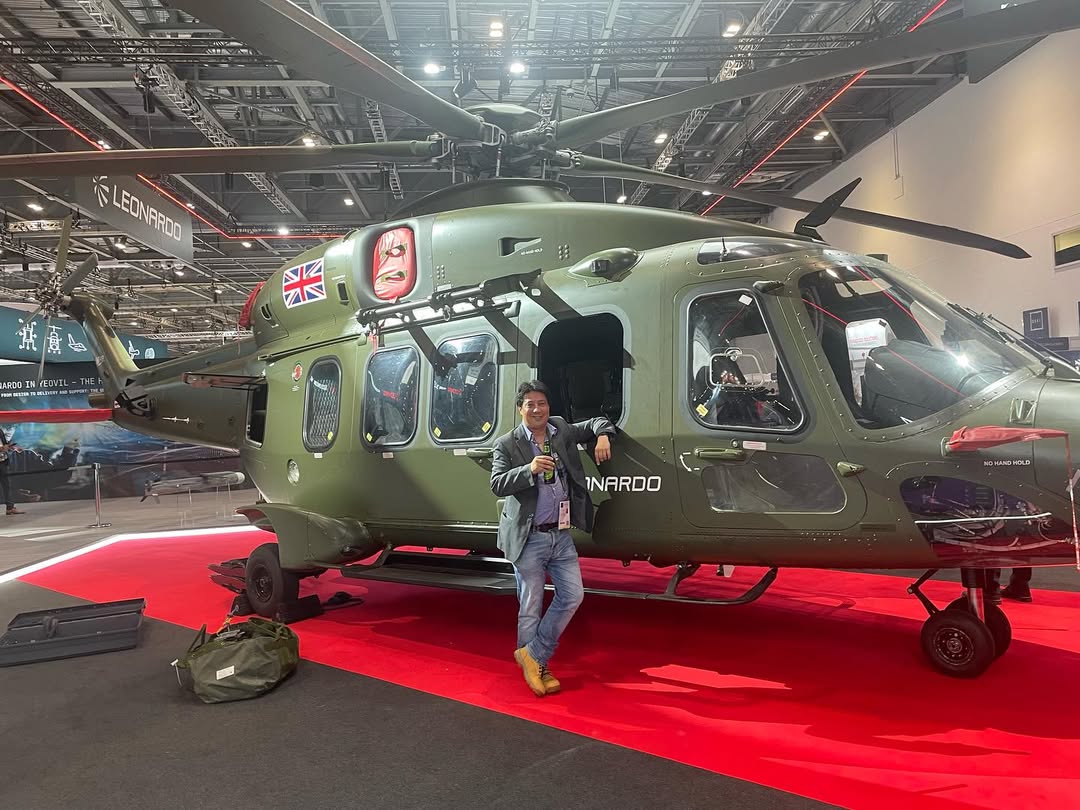
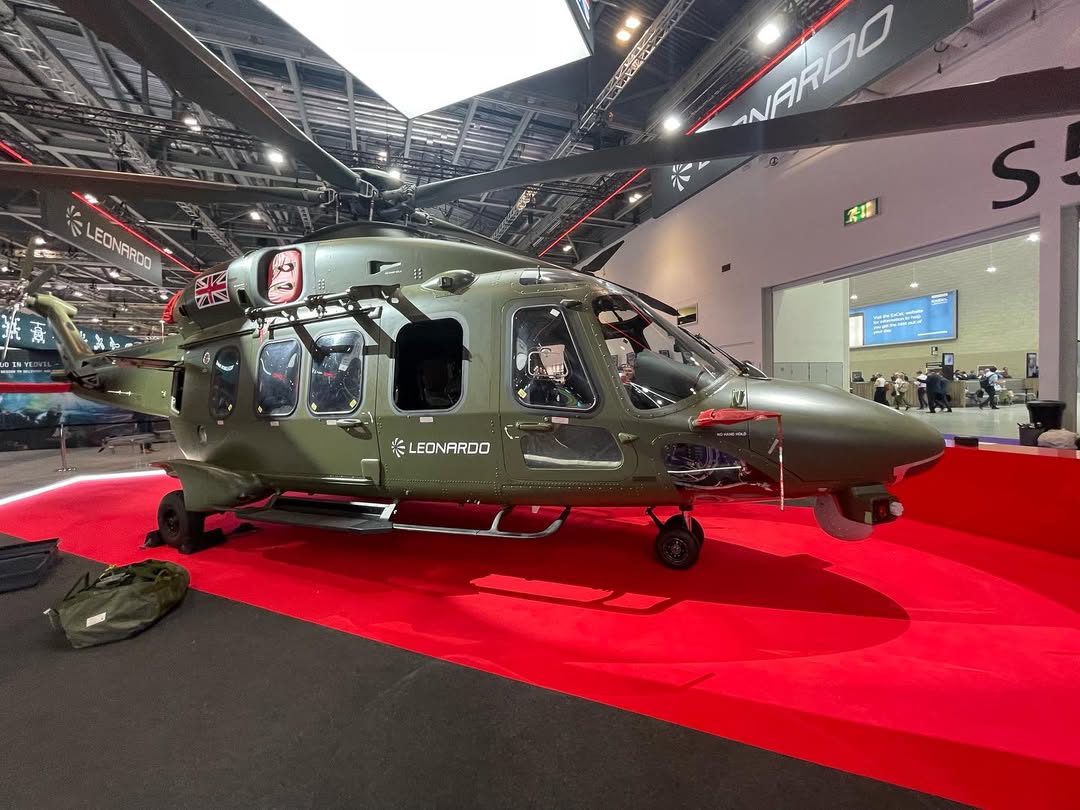
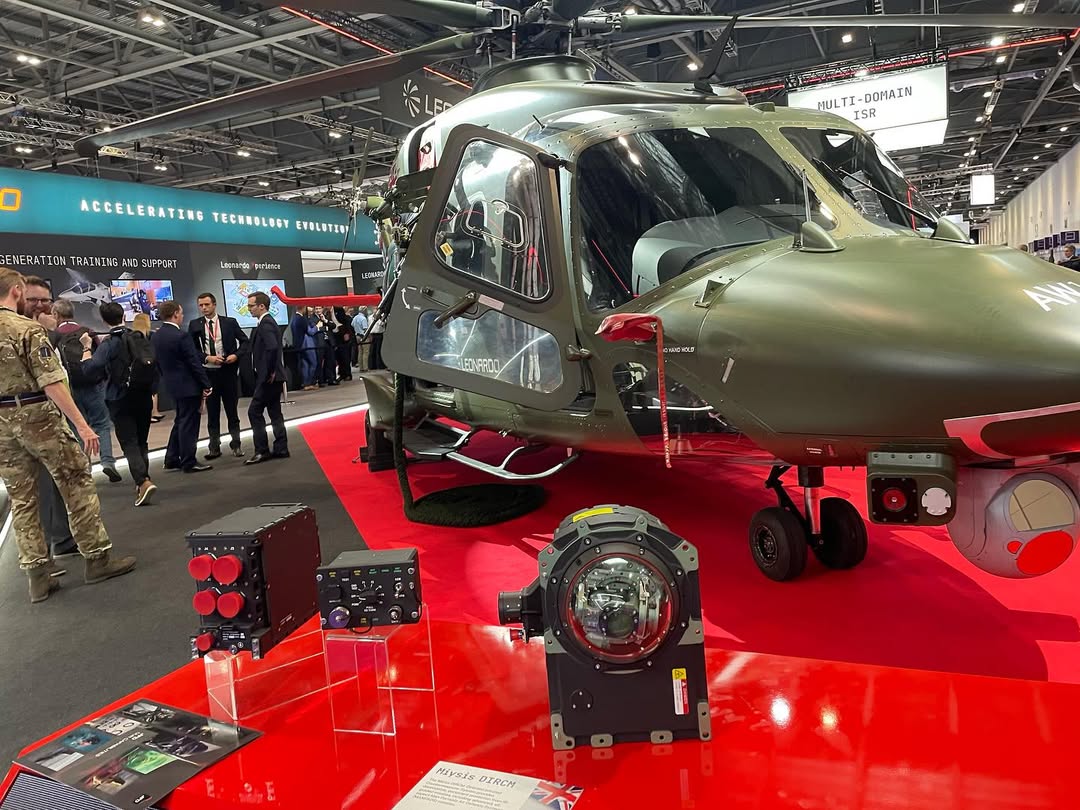
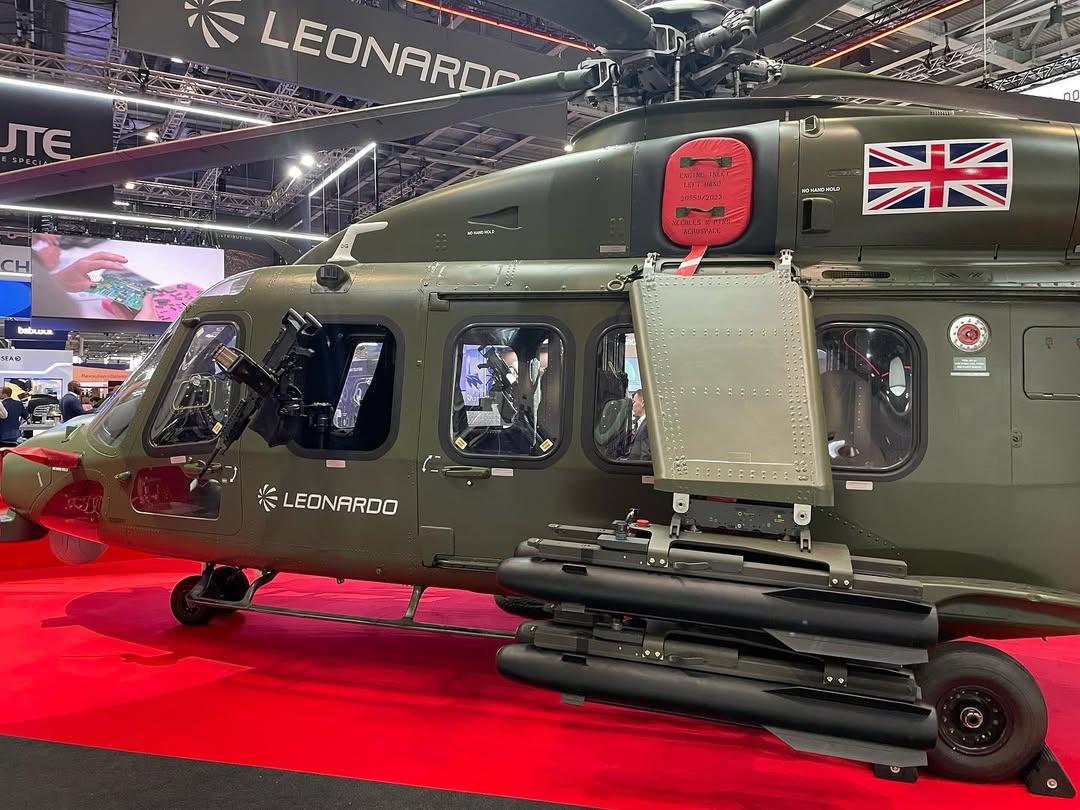
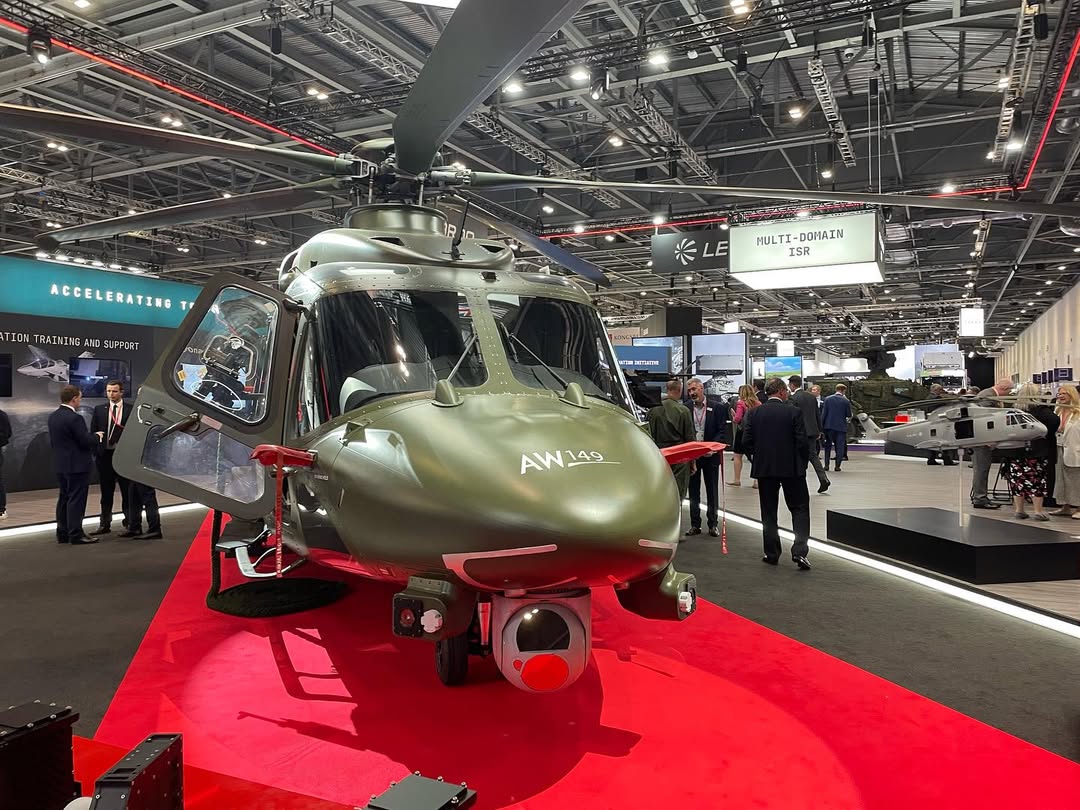
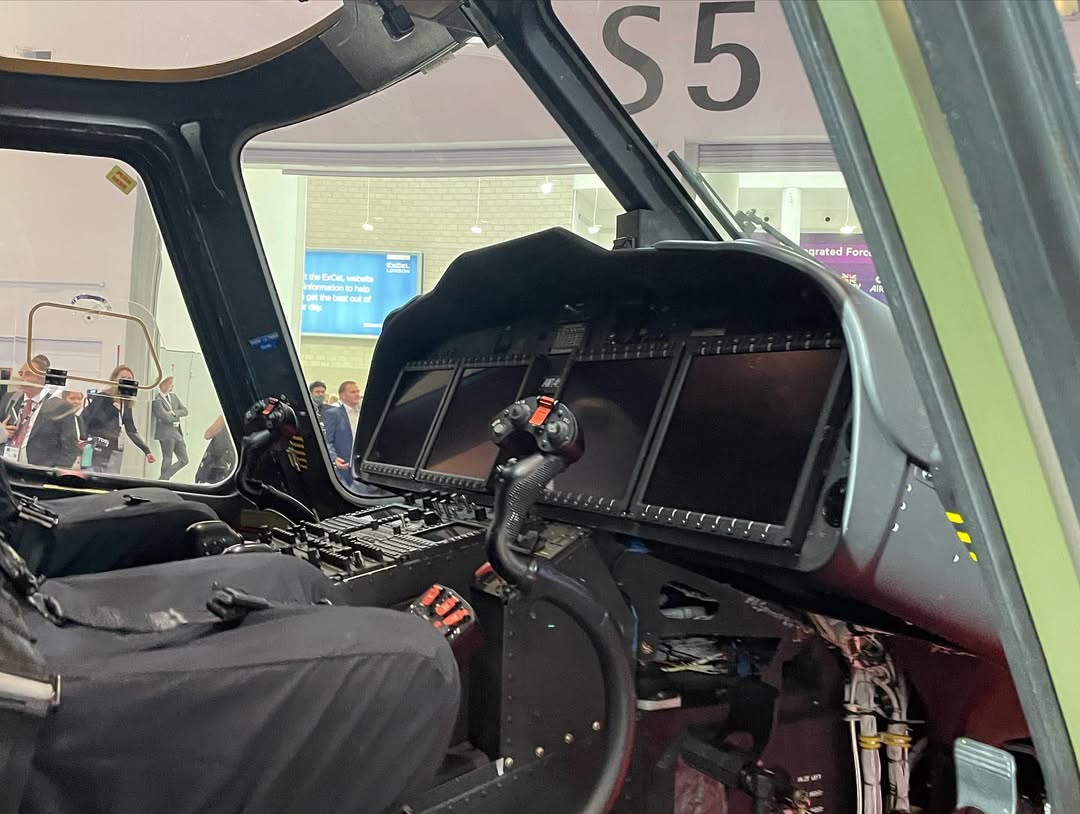
The Chancellor has reversed an earlier refusal to approve a £1bn contract for the new medium helicopters (NMH) programme after warnings that the decision would place thousands of British jobs at risk. Treasury officials moved swiftly on Friday to signal that the funding would now be signed off, following reports that blocking the deal would threaten around 3,000 roles at Leonardo’s helicopter factory in Yeovil, Somerset. The change of position came only hours after officials had indicated that approval would be withheld until wider defence equipment plans were finalised.
++ Harry Styles and Louis Tomlinson top UK charts as solo artists
Officials briefed that responsibility for the delay lay with the Ministry of Defence, arguing that the NMH programme had been deprioritised within its planning. Defence sources disputed that account, insisting that the capability remained part of agreed equipment requirements. Earlier warnings from senior figures suggested that refusing the contract could trigger severe job losses, despite reported support for the deal from Downing Street and the MoD. One Whitehall source described the reversal as a face-saving exercise, while Leonardo declined to comment.
The Yeovil site is the UK’s last remaining facility capable of designing and manufacturing helicopters from start to finish and has not secured a domestic government contract for more than a decade. The factory, formerly Westland Helicopters and later AgustaWestland, became part of Leonardo in 2016 and has long been seen as strategically important. Executives have repeatedly cautioned that failure to win the NMH work could put the plant’s future in doubt, with up to 10,000 jobs dependent on it once supply chains are included.
++ Queen Elizabeth’s quiet insight into George and Charlotte
The NMH programme has been delayed for years and Leonardo is now the sole remaining bidder after competitors withdrew. The contract is intended to replace the Royal Air Force’s ageing Puma helicopters, which were retired earlier this year. While the Ministry of Defence has said it is working to finalise a long-overdue defence investment plan, uncertainty over funding has fuelled concerns across the defence industry. Ministers have previously indicated that up to 44 aircraft could be ordered, although that figure has since been reduced to 25, heightening scrutiny of the programme’s future and its implications for UK defence manufacturing.


 programme after...)