

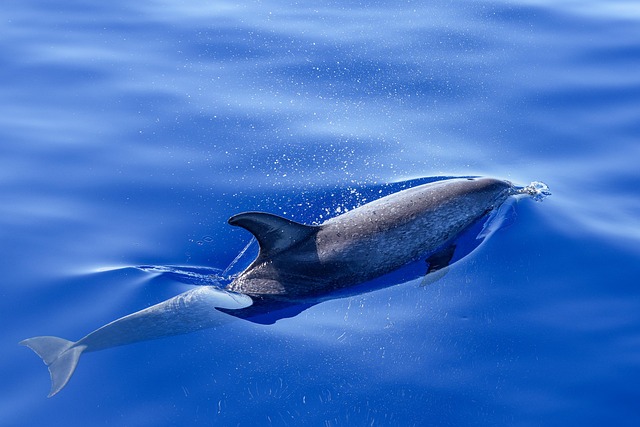
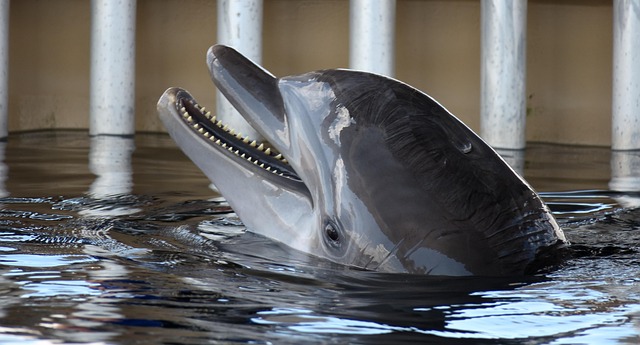


Toxic compounds linked to smartphone and computer screens have been discovered in the brains of dolphins, according to new research conducted in Hong Kong.
Scientists in China examined tissue samples taken from deceased dolphins and porpoises and identified particles associated with discarded electronic screens. The study detected synthetic liquid crystal monomers (LCMs) — chemicals once widely used in display technology — in the animals’ blubber, muscle tissue and brain matter. Researchers believe the substances likely entered the marine mammals’ bloodstream through the food chain, after fish consumed contaminated material. They warn that such exposure could increase the risk of cancer and other serious health effects.
++ Nick Reiner pleads not guilty to parents’ murders
Professor Yuhe He, of City University of Hong Kong, said the findings highlight the growing environmental cost of electronic waste. “Our research shows that LCMs from everyday electronics are not merely pollutants — they are accumulating in the brains of endangered dolphins and porpoises,” he said. “This should serve as a wake-up call on the management of e-waste and its impact on ocean health.”
Although LCMs have largely been phased out of newer household electronics over the past decade, the researchers noted that vast quantities of older devices remain in circulation or have been discarded in landfill and informal e-waste sites worldwide. As these materials degrade, chemicals can leach into rivers and coastal waters, creating what the team describes as an emerging legacy pollution problem.
Previous studies have identified LCM contamination in fish and invertebrates. However, the Hong Kong researchers say theirs is the first to document the presence of these compounds in dolphins. Environmental campaigners expressed alarm at the findings. Sonja Eisfeld Pierantonio, pollution lead at Whale and Dolphin Conservation, said the results suggest another persistent and bioaccumulative pollutant may be entering marine food webs.
She warned that dolphins and whales already inhabit what she described as a “toxic soup” of long-lasting industrial chemicals that build up through the food chain. Such pollutants have been linked to cancers, immune system suppression and reproductive problems, including stillbirths.
++ 40,000-year-old symbols reveal missing chapter of human history
Campaigners are calling for tighter regulation, improved chemical safety assessments and stronger controls to prevent hazardous substances entering the sea. Whales and dolphins, they argue, play a crucial ecological role by cycling nutrients through the oceans during their migrations, contributing to overall marine health. The study has been published in the peer-reviewed journal ACS Environmental Science & Technology.


