




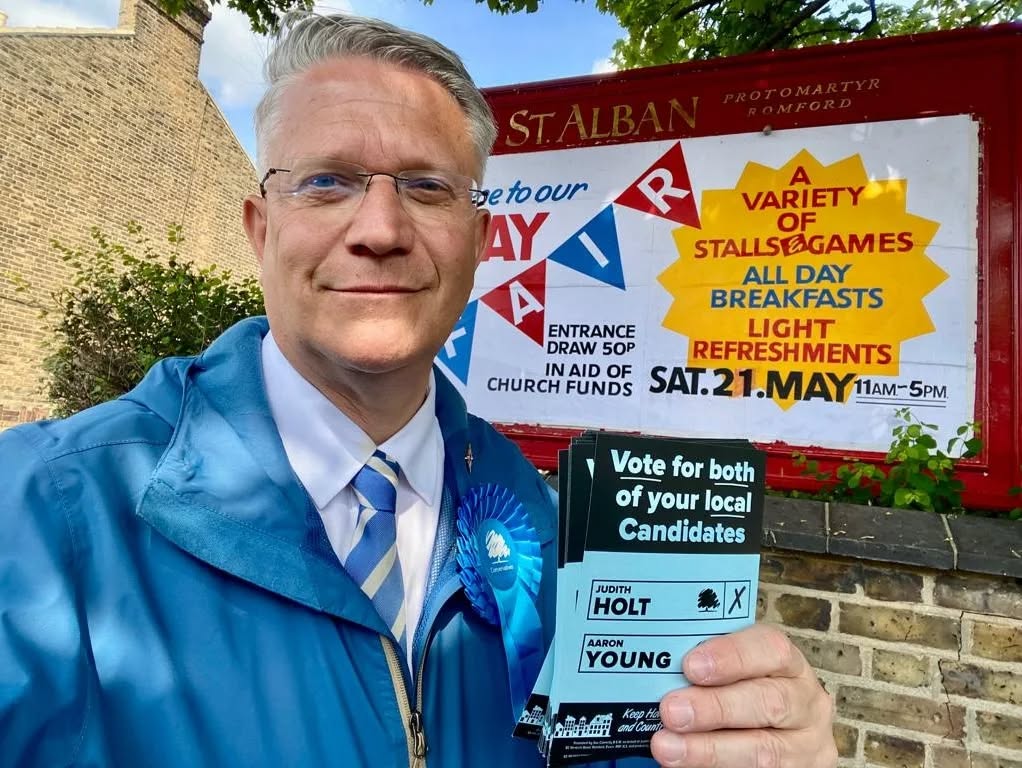
A proposal has been put forward for the east London borough of Havering to hold a vote on leaving Greater London under a future Reform UK government. The plan, promoted by Reform MP for Romford Andrew Rosindell, would allow residents to choose whether to remain part of London or rejoin Essex as a self-governing unitary authority. Supporters argue that such a move would restore local control and reverse changes introduced when Havering became a London borough in 1965.
++ Scottish cave harboured a cannibal family of over 40, researchers say
Mr Rosindell has said independence would require new legislation and would form part of a broader programme under a Reform-led government. He has criticised the borough’s current relationship with City Hall, citing concerns over policing levels, the Ultra Low Emissions Zone (ULEZ), and planning decisions. According to his proposal, an independent Havering would regain responsibility for development and local policy-making, separate from the Mayor of London and the Greater London Authority.
However, the Havering Residents Association has questioned the practicality and benefits of the proposal. It has warned that leaving London could result in the loss of access to services and funding linked to the capital, including the Metropolitan Police, London Ambulance Service, transport concessions, health provision, and London-weighted pay. The group has also argued that independence would not address key local challenges such as housing pressures, the cost of living, and residents’ wellbeing.
++ Harper Beckham steps out in Paris as family support Victoria Beckham honour
Academic analysis suggests that while a borough leaving London is theoretically possible, it would involve complex consequences. Experts have noted uncertainties around policing, governance structures, and whether Havering would remain independent or be absorbed into a larger Essex authority. Additional concerns include potential changes to transport benefits for older residents. While the proposal has drawn comparisons with Brexit-style localism, analysts suggest its impact on daily life could be limited, despite significant administrative and political complications.


