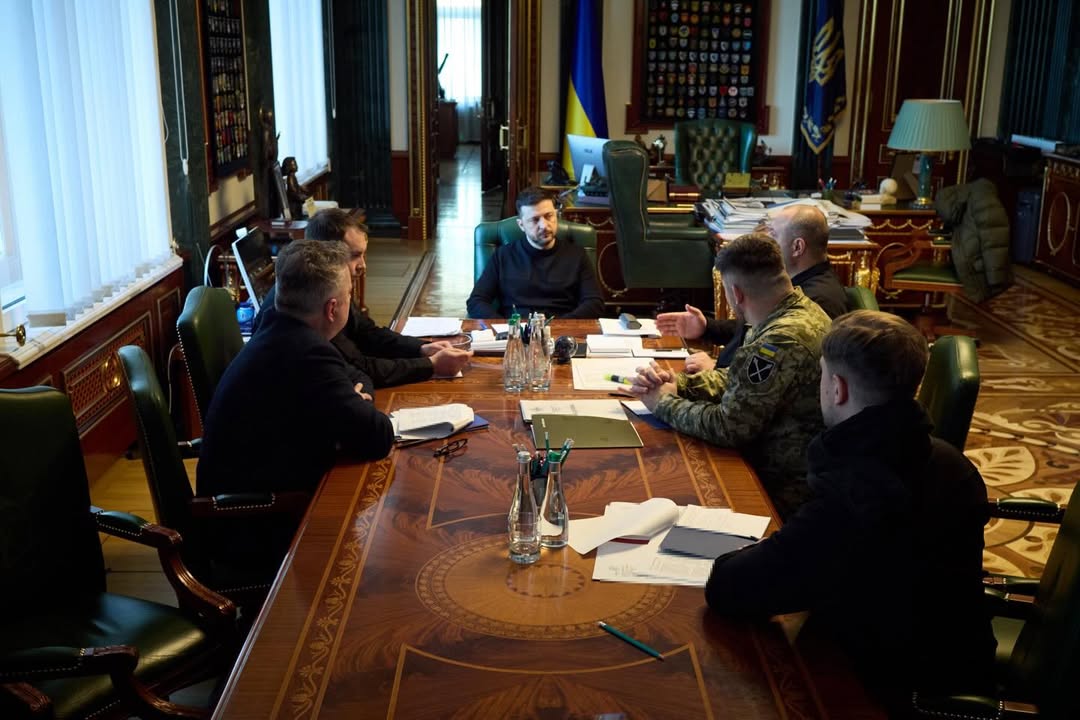
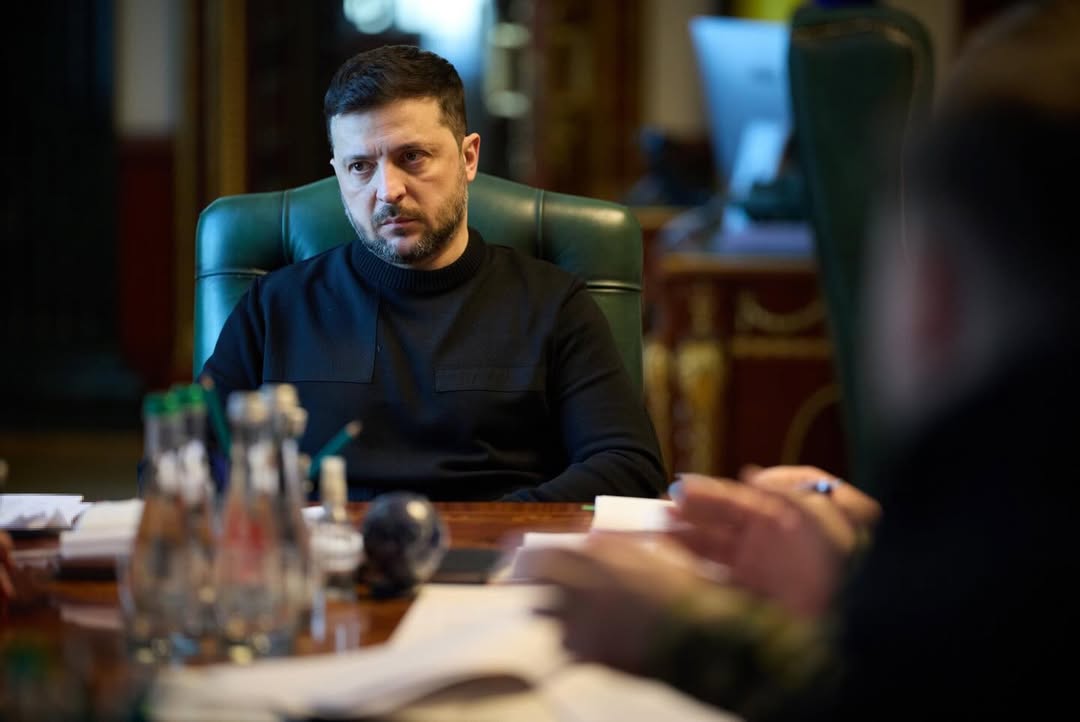
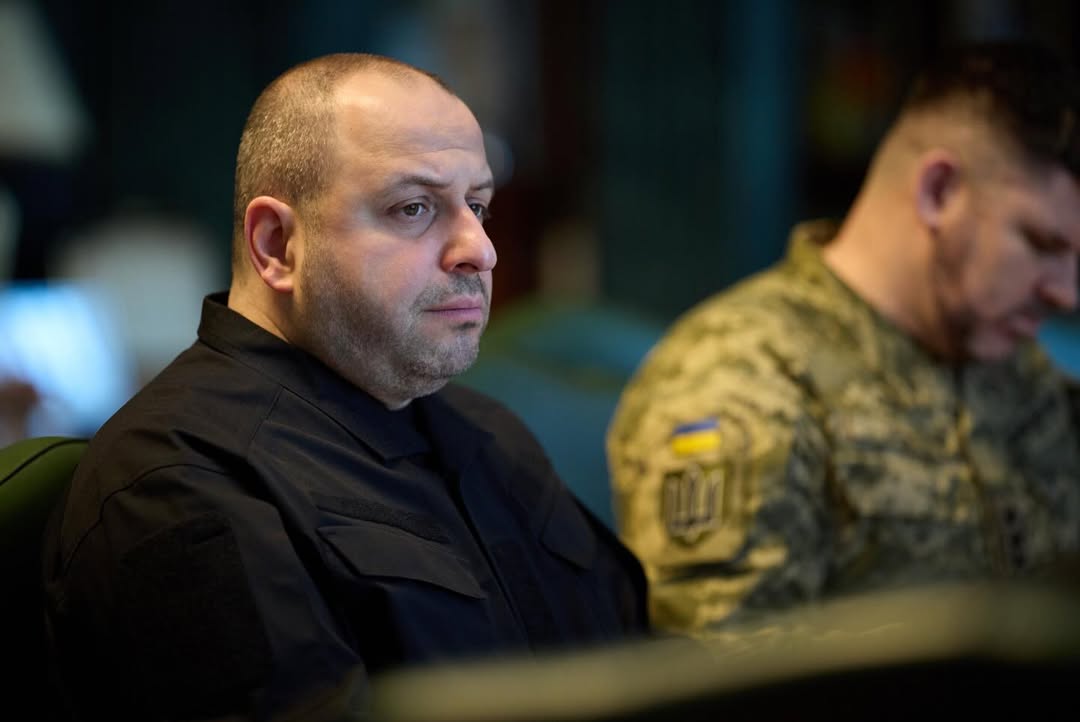

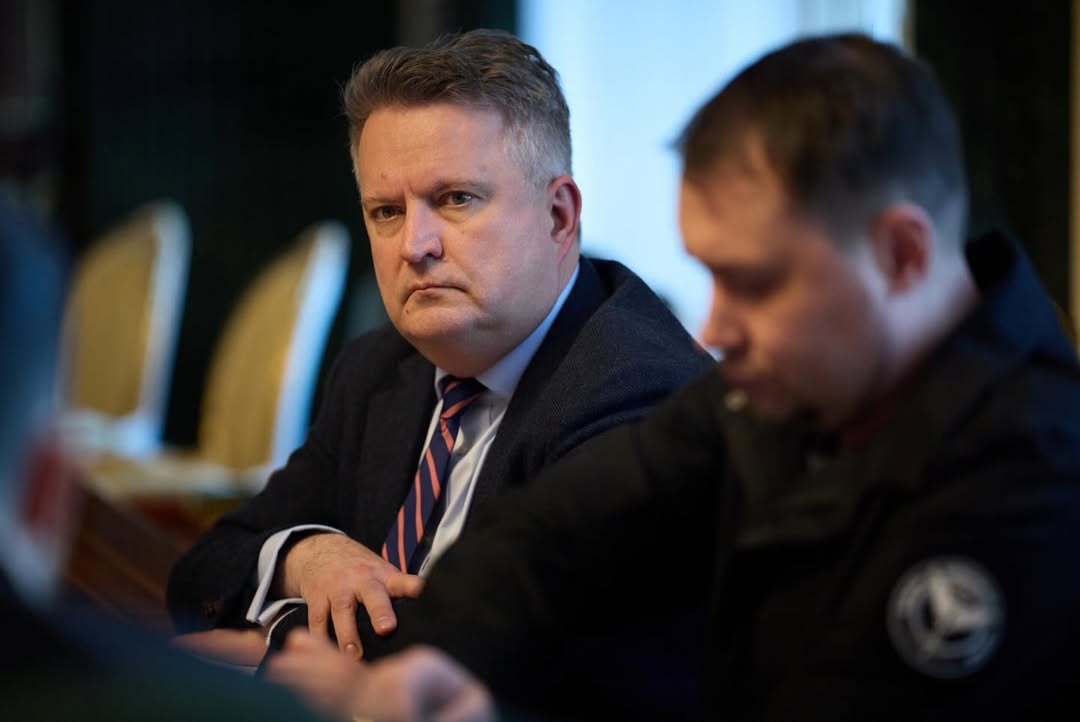
Concerns are growing that renewed peace talks between Russia and Ukraine could resolve one conflict only to lay the groundwork for another. The next round of negotiations, due to take place in Abu Dhabi, is expected to focus on the future of a remaining section of Ukraine’s Donetsk region still under Kyiv’s control. The talks are being facilitated by US envoy Steve Witkoff, under the direction of former president Donald Trump, whose approach has raised questions about the long-term stability of any agreement reached.
++ The 5 most striking spiders in nature
The territory in question covers approximately 2,300 square miles and has resisted repeated Russian offensives since the start of the full-scale invasion. While Ukraine has reluctantly accepted that a peace settlement may leave Russia occupying around 20 per cent of its territory, Moscow is demanding control of additional areas it has failed to capture militarily. Critics argue this would reward aggression and expose the civilian population, estimated at around 200,000 people, to serious human rights risks based on previous conduct in occupied areas.
Strategically, the area includes some of Ukraine’s strongest defensive positions, including key towns that form a protective barrier towards central Ukraine and Kyiv. Handing over these defences could weaken Ukraine’s ability to deter future attacks and potentially facilitate renewed Russian military action. Analysts warn that such concessions may offer only temporary calm while increasing the likelihood of a broader conflict at a later stage.
++ Prince Andrew faces renewed scrutiny over taxpayer-funded lifestyle
Observers note that the United States has significant leverage it could deploy to press Moscow to abandon its territorial demands, including stronger sanctions or increased military support for Ukraine. Instead, Washington has positioned itself as a neutral broker, placing pressure on Kyiv to accept compromises in exchange for security guarantees. Critics argue that a coordinated approach with European allies, aimed at compelling Russia to withdraw its demands, would offer a more credible path to a durable peace and reduce the risk of the conflict continuing indefinitely.


